Landscaping
What are the 5 principles of landscape design in Baton Rouge?
The five principles of landscape design for Baton Rouge prioritize local needs over universal aesthetics.
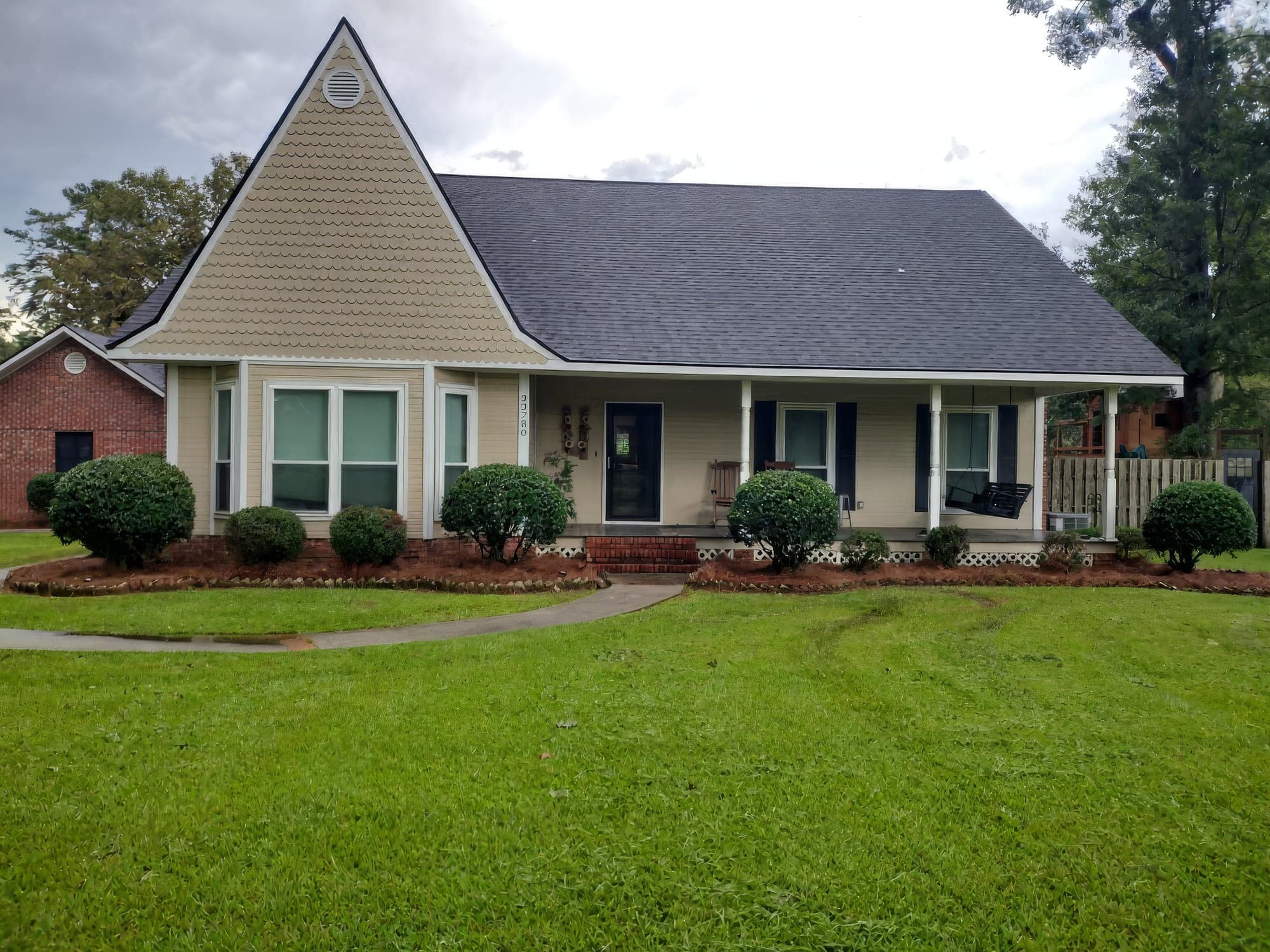
The five principles of landscape design for Baton Rouge prioritize local needs over universal aesthetics. They are: Strategic Flow for water management, Climate-Wise Unity using resilient plants, Functional Focal Points for outdoor living, Proportional Shade for sun protection, and Resilient Repetition for strength and year-round beauty, creating a landscape that truly thrives in Louisiana.
Here in Baton Rouge, we know our environment is unique. The air is thick, the sun is intense, and when it rains, it pours. A truly successful landscape design doesn’t just look good; it has to live and breathe with the rhythm of Southern Louisiana. While traditional landscape architecture gives us a great starting point with concepts like balance and rhythm, applying them without considering our specific challenges is a recipe for a high-maintenance, short-lived garden.
At Hernandez Lawnscape, we’ve spent years working with the distinct clay soil and subtropical climate that defines our city, from the historic yards in the Garden District to the newer homes out towards Shenandoah. We believe in a philosophy that redefines the classic principles of design through the practical lens of our local environment. It’s about creating beautiful, enduring outdoor spaces that function as a true extension of your home, a place for family, friends, and quiet moments of escape.
Before we explore these Baton Rouge-centric principles, it’s helpful to understand the difference between principles and elements. The basic elements of landscape design are the tangible components you work with: line, form, color, texture, and scale. The principles, on the other hand, are the guidelines for how you use those elements to create a cohesive and pleasing design. Our approach focuses on adapting those guidelines to ensure your garden doesn’t just survive, but thrives.
Beyond the Textbook: Universal Principles vs. Baton Rouge Reality
Anyone who has taken a garden design course has heard of the universal principles: unity, balance, proportion, rhythm, and emphasis. They are the bedrock of good design theory and absolutely have their place. Unity creates harmony, balance provides stability, proportion relates objects to one another, rhythm creates visual flow, and emphasis draws the eye to a focal point.
The problem arises when these rules are applied too rigidly in a place like Baton Rouge. A perfectly symmetrical balance of plants that can’t handle our summer humidity will quickly become a balanced arrangement of dying foliage. A stunning visual focal point, like a sun-drenched statue, is useless if the patio around it is too hot to enjoy for six months of the year. The reality of our climate demands a more practical, resilient approach.
This isn’t about discarding the rules, but about reinterpreting them. It’s about understanding that in our region, function and resilience must lead the way for aesthetics to follow. A landscape that works with our environment is one that will remain beautiful and sustainable for years to come.
The 5 Principles of Landscape Design Reimagined for Baton Rouge
To create a landscape that is both beautiful and practical in Southern Louisiana, we focus on five core principles. These tenets are born from years of hands-on experience solving the very real challenges that Baton Rouge homeowners face every season.
1. Strategic Flow: Designing for Deluge, Not Just Aesthetics
In traditional design, “flow” or “rhythm” refers to how the eye moves through a landscape, following lines and repetition. In Baton Rouge, we must first design for the literal flow of water. We get over 60 inches of rain a year, often in intense downpours that can overwhelm a property with poor drainage, especially on our heavy clay soil which absorbs water slowly.
A successful design anticipates where that water will go and gives it a productive path. This is a critical first step in any site analysis. We don’t just see a low spot in the yard; we see an opportunity for a beautiful rain garden filled with Louisiana Iris and Bald Cypress. Instead of a solid concrete patio that sheds water towards your home’s foundation, we design with permeable surfaces like brick pavers set in sand, allowing water to percolate into the ground. Properly installed French drains can become invisible workhorses, protecting your foundation plantings and keeping your turfgrass healthy. This proactive approach to water management is the single most important foundation for a lasting landscape.
2. Climate-Wise Unity: Creating a Resilient Southern Ecosystem
Unity in landscape design is about creating a sense of cohesion, where all the elements work together. The most effective way to achieve this in our USDA Hardiness Zone 9a is to create a unified ecosystem of plants that are born to be here. This means prioritizing Louisiana native plants and other carefully selected species adapted to our intense heat and legendary humidity.
When you build a garden with heat tolerant plants and humidity-resistant plants, you create a landscape that requires less intervention. These plants have natural defenses against local pests and diseases, and once established, they need less water. This shift is becoming more common asgardeners are increasingly switching to plants that require less irrigation and maintenance once established, driven by the realization of the amount of water and energy landscapes can consume. A cohesive design might feature a majestic Southern Live Oak as an anchor, with layers of shade-loving azaleas and camellias underneath, and a border of resilient Louisiana Iris. This creates a visually harmonious Southern garden style that is also a functioning, low-maintenance ecosystem. The LSU AgCenter is an invaluable local resource for plant selection, providing research-backed recommendations for what truly thrives here.
3. Functional Focal Points: Crafting Your Outdoor Living Room
The classic principle of “emphasis” calls for a focal point, a specimen tree, a sculpture, a water feature, to draw the eye. We evolve this idea to focus on creating functional outdoor living spaces that become the true heart of the design. After all, what’s the point of a beautiful yard if you can’t comfortably live in it?
This aligns with a major trend where homeowners view theirgardens as an extension of the home, an area to live in and use, rather than just a pretty planting to look at. The focal point might be a shaded flagstone patio with an outdoor kitchen, a comfortable seating area around a fire pit for our milder fall evenings, or a screened-in porch overlooking a pollinator garden. These hardscaping elements, the patios and walkways, retaining walls, and pergolas, form the “bones” of the outdoor room. From there, the softscaping (the plants) is designed to enhance the experience. The goal is to create a destination, a space that pulls you outside. Ultimately,good garden design incorporates the needs of the family, such as a play area and patio, meshing the style of the garden with the architecture of the house.
4. Proportional Shade: Mastering Scale for Comfort and Survival
Proportion and scale are about ensuring every element in the design relates comfortably to the things around it, including the people using the space. In Southern Louisiana, the most critical application of this principle is in the creation of shade. The unforgiving summer sun can render a backyard unusable and stress even the toughest plants.
Our design process treats shade as a primary building material. We use large canopy trees like Magnolia or Bald Cypress to create broad areas of cooling shade that can lower the ambient temperature of a patio by several degrees. We then use pergolas and arbors to create more intimate, human-scaled pockets of shelter. This concept is supported by the‘law of significant enclosure,’ which states that people feel enclosed when the vertical edge of a space is at least one-third the length of the horizontal space being inhabited. A well-placed pergola or the canopy of a tree creates this comfortable sense of enclosure. Even the classic rule thatplants included in a design should be no larger than half the width of the flower bed they are in can be adapted; a large shade tree is perfectly in proportion if its purpose is to protect an entire outdoor living area.
5. Resilient Repetition: Building for Strength and Year-Round Beauty
Repetition creates visual rhythm, guiding the eye through the landscape. In our climate, it also builds resilience. Repeating drifts of tough evergreen shrubs or stands of ornamental grasses creates a stronger, more layered landscape that is better equipped to handle our volatile weather, including the potential for hurricane-force winds.
A single, isolated specimen plant is vulnerable. A group of the same plants can support each other, creating a more stable mass. This is a key tenet of hurricane-resistant landscaping. Repetition is also key for managing maintenance and ensuring year-round visual appeal. By repeating a palette of reliable, climate-appropriate plants, you create a cohesive look that provides seasonal interest. We might repeat the form and texture of cast-iron plant in several shady areas for its durable, evergreen foliage, or use swaths of Louisiana phlox for a burst of spring color. This thoughtful repetition of form, texture, and color ensures the garden aesthetics remain strong and vibrant through every Louisiana season.
“I could not be more pleased with Hernandez Lawnscape. Excellent service all around…5 stars!”
Key Factors for a Successful Baton Rouge Landscape Project
When planning a garden renovation or new landscape design, it’s easy to get lost in the details. Focusing on these four key factors will ensure your project results in a space you love and that adds long-term value to your home.
Solutions for local climate challenges (heat, water, drainage).
Your design’s first priority should be to solve problems, not create them. An expert plan will start with a thorough site analysis to address issues like standing water, sun-scorched lawns, and foundation erosion. This includes proposing practical drainage solutions, improving soil health, and designing smart irrigation systems to manage our wet and dry spells efficiently.
Creation of functional outdoor living and entertainment spaces.
Your yard should be more than just curb appeal. The design should reflect how you want to live outside. Whether you dream of large family barbecues, a quiet morning coffee spot, or a safe play area for kids, the plan should incorporate hardscaping and softscaping features that support your lifestyle, effectively expanding the usable square footage of your home.
Long-term sustainability and plant health over temporary aesthetics.
It’s tempting to choose plants that look perfect at the nursery, but will they look good after a Baton Rouge August? A sustainable landscape focuses on the right plant for the right place. This means choosing native and adapted species that will mature gracefully, require less water and chemical intervention over time, and contribute to a healthy local ecosystem.
Expertise in local plant selection and maintenance needs.
There is no substitute for deep, local knowledge. A designer who understands the nuances of our area, from the challenges of clay soil amendments to which crape myrtle varieties are most resistant to mildew, can save you years of frustration and expense. They can create a plan that not only looks beautiful on day one but is also designed for manageable long-term lawn care and garden maintenance.
Making the Right Choice for Your Needs
Every homeowner in Baton Rouge has a different vision and different challenges. The best landscape design principles for your property are the ones that align with your primary goals. Here’s how to think about your project based on what matters most to you.
For the Problem-Solver
If your main concerns are practical, a soggy back lawn, wilting plants, and high water bills, your focus should be on landscape solutions. Prioritize a design that incorporates robust drainage solutions like French drains or a dry creek bed. Emphasize the selection of heat-tolerant turfgrass and xeriscaping principles with water-wise, deep-rooted native plants. A smart irrigation system that responds to weather conditions can also be a game-changer, ensuring plant health while conserving water.
For the Entertainer
If you dream of hosting friends and family outdoors, your focus is on creating a functional and inviting atmosphere. Prioritize the design of your outdoor living spaces. This means investing in quality hardscaping like patios and walkways, a pergola for defined space and shade, and perhaps an outdoor kitchen or fire pit. Landscape lighting is crucial for this profile, as it extends the usability of the space into the evening and adds a magical ambiance.
For the Eco-Conscious Gardener
If you are passionate about creating a sustainable and environmentally friendly space, your design should be guided by ecological principles. Focus on creating pollinator gardens with Louisiana native plants to support local wildlife. A rain garden is a perfect feature, turning a drainage necessity into a beautiful, functional habitat. Insist on organic pest management practices and minimal use of chemical fertilizers, focusing instead on building rich soil health for a truly resilient, low-maintenance garden.
“They always go a step beyond what I expect and consistently provide excellent service. Mr. Hernandez is honest and trustworthy…”
What are the 5 types of landscape?
While landscape architects might categorize landscapes in various technical ways, for homeowners it’s often more useful to think in terms of style. In Baton Rouge, popular landscape styles include the classic Southern Garden Style with its magnolias and azaleas, the intimate French Quarter-inspired Courtyard Design perfect for smaller spaces, a more formal English garden with defined hedges and perennial gardens, or a modern landscape characterized by clean lines and bold-textured plants. The principles we’ve discussed can be applied to achieve any of these garden aesthetics successfully.
Ultimately, creating a successful landscape in Baton Rouge is about striking the right balance between your personal vision and our region’s unique environmental demands. It requires a thoughtful approach that blends creative design with practical, science-based solutions. At Hernandez Lawnscape, we specialize in this kind of deeply rooted expertise, ensuring your outdoor space is a source of joy and pride for many years to come.
For a personalized site analysis to discuss your property’s specific challenges and opportunities, contact our expert team today for a free quote. We’re here to help you create an outdoor space that works for you.
Leave us your contact information to receive more information
FOLLOW ME
Latest publications
Related service
Landscaping Baton Rouge: Design, Renovation and Installation
Landscape design and renovation in Baton Rouge and Livingston Parish.
Written by Gerardo Hernandez, owner and founder of Hernandez Lawnscape
Gerardo Hernandez founded Hernandez Lawnscape in Denham Springs in 2013 with a mower and a trailer. He still walks every job, draws the landscape designs himself in Morpholio Trace, and diagnoses drainage the practical way: find the last spot to dry, trench from there, and run pipe at a steady fall to a real discharge point.