Lawn care
What Is General Lawn Maintenance in Baton Rouge?
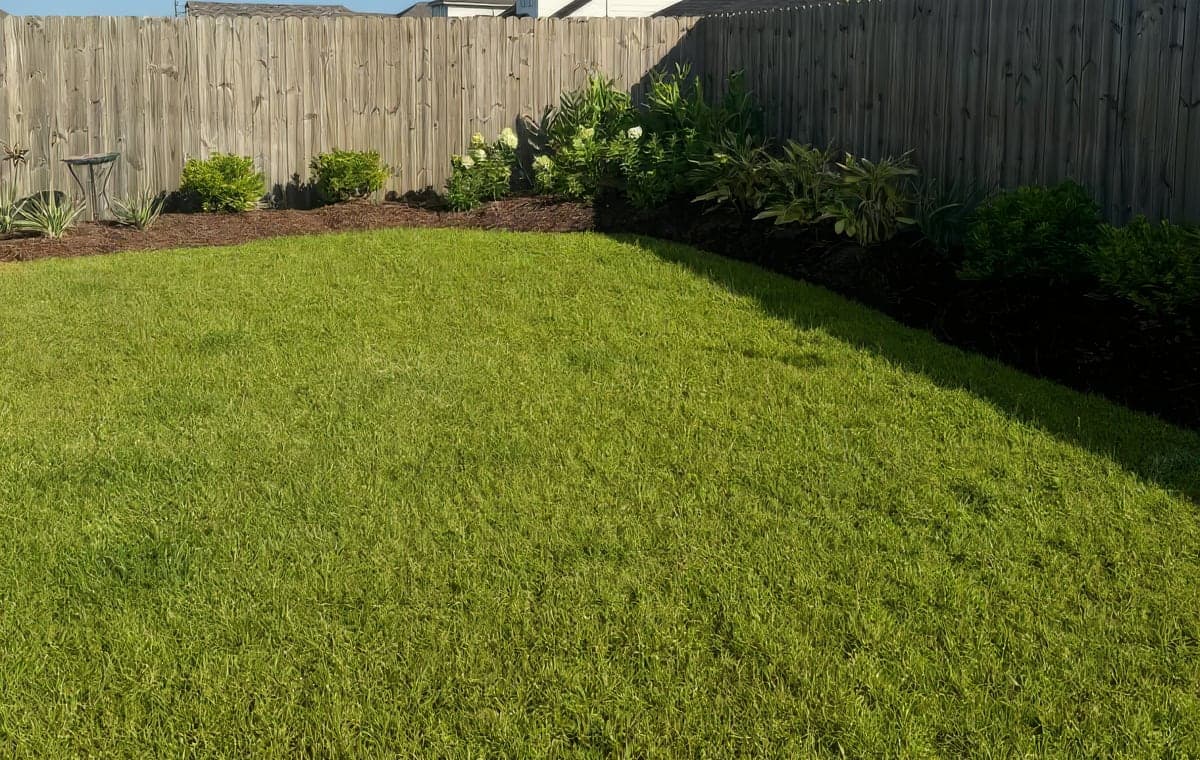
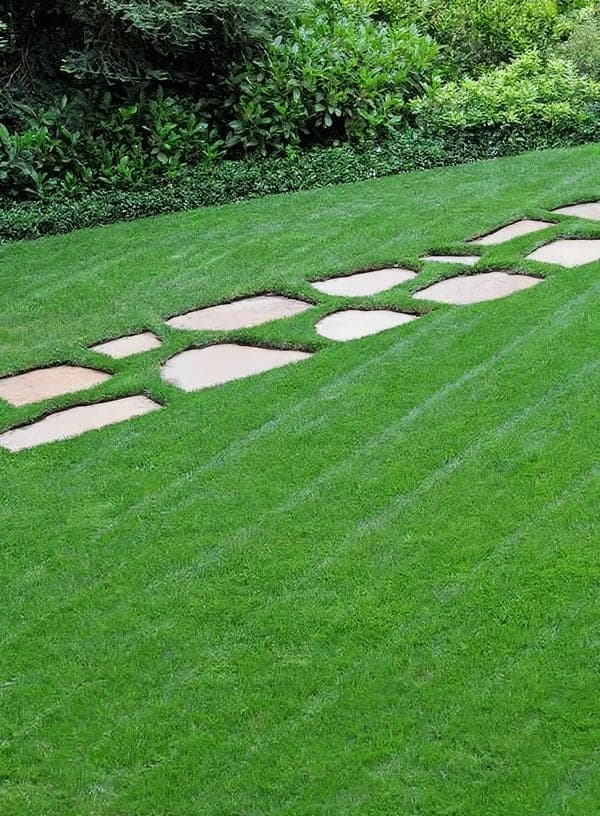
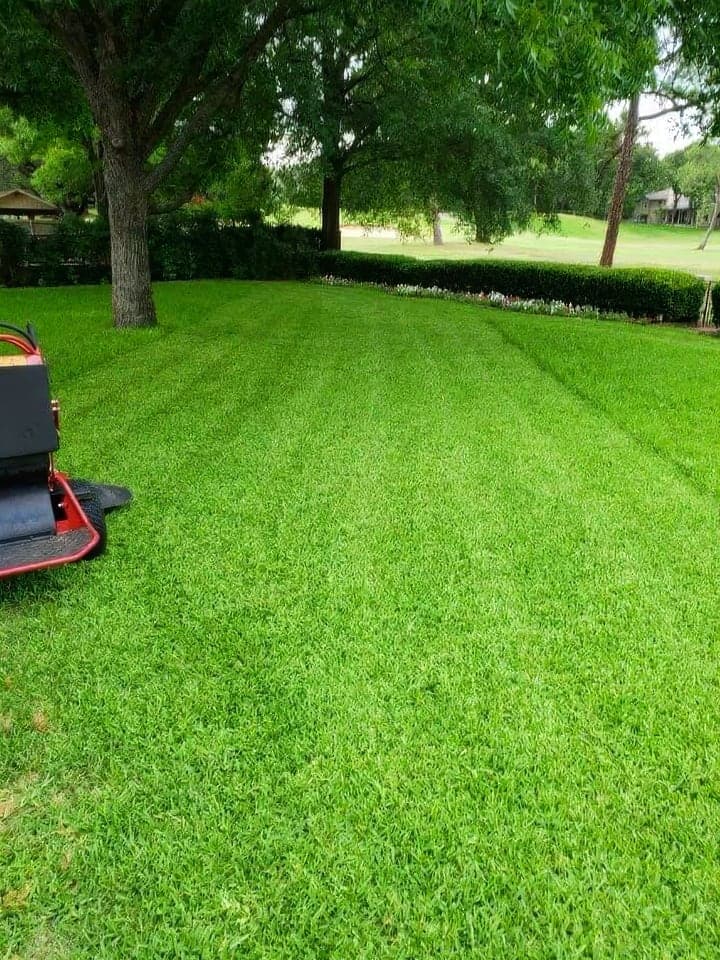
In Baton Rouge, general lawn care maintenance is a seasonal strategy, not a simple checklist. It involves a proactive plan tailored to our humid, subtropical climate and specific warm-season turfgrasses like St.
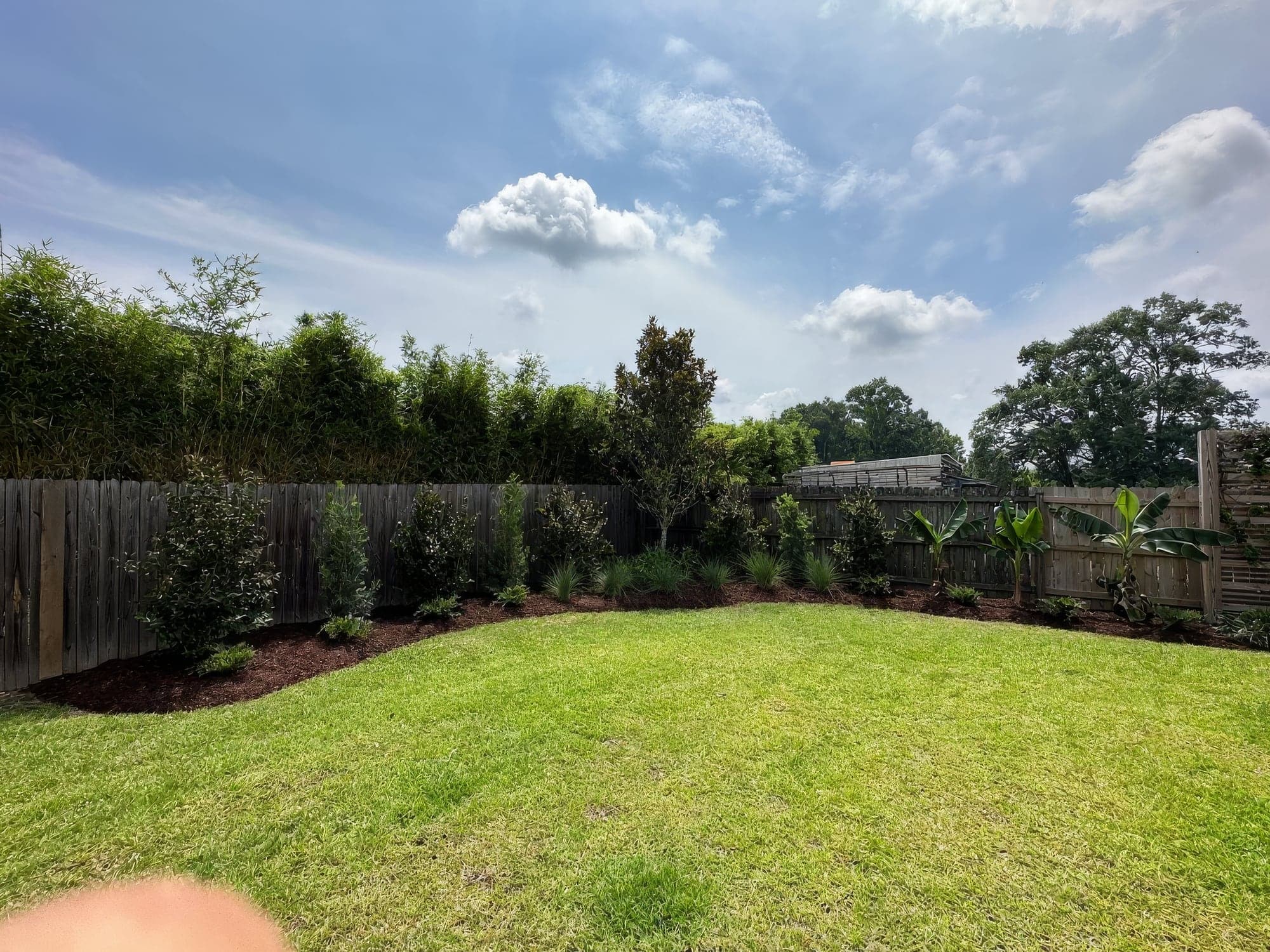
In Baton Rouge, general lawn care maintenance is a seasonal strategy, not a simple checklist. It involves a proactive plan tailored to our humid, subtropical climate and specific warm-season turfgrasses like St. Augustine and Bermuda, focusing on the critical March through October growing season to ensure a healthy, resilient lawn year-round.
Deconstructing “General Maintenance”: Why the Standard Definition Fails Baton Rouge Lawns
When you first search for lawn care or ask for a quote, the term “general lawn maintenance” gets thrown around a lot. For many, it conjures an image of a crew showing up, running a mower, and leaving. This basic “mow, edge, and blow” service is the most common offering, but it’s a dangerously incomplete picture for a homeowner in East Baton Rouge Parish. It’s a definition that barely scratches the surface of what your property truly needs to thrive here.
This minimalist approach is often based on how the city might maintain public lands, think the neutral grounds on College Drive or the vast fields at Greenwood Community Park. The goal there is basic tidiness and safety, not optimal health or curb appeal. Applying that same mindset to your residential yard is a recipe for frustration. A healthy lawn in Baton Rouge is a living, breathing ecosystem that faces unique pressures from our intense summer heat, high humidity, sudden torrential downpours, and a rogue’s gallery of pests and diseases.
A generic, year-round mowing schedule ignores the fundamental biology of your grass. It doesn’t account for whether you have St. Augustine grass in your Bocage home or Bermuda grass surrounding your property in Central. This one-size-fits-all approach often leads to common problems I see every day: stressed, thinning turf, rampant weed invasion from dollarweed and crabgrass, and susceptibility to diseases like brown patch fungus, which can devastate a lawn in a matter of days during a wet, hot summer.
The Baton Rouge Lawn Calendar: A Tale of Two Seasons
The secret to a truly beautiful lawn in our area isn’t a single magical treatment; it’s understanding and respecting the local calendar. Your yard operates on a distinct schedule dictated by Louisiana’s climate. According to turfgrass experts at theLSU AgCenter, the active growth season for our lawns runs from March through October. The rest of the year is a period of dormancy. A smart lawn maintenance strategy mirrors this natural cycle.
The Active Growing Season (March, October): Proactive Care is Key
This is when the magic happens, and when the bulk of the work is required. From the first signs of spring green-up until the temperatures start to cool in the fall, your lawn is working overtime. Your maintenance plan should support this growth.
- Consistent Mowing: During peak growth in May, June, and July, weekly mowing is often necessary to keep up with the growth of St. Augustine or Zoysia grass without stressing the plant.
- Fertilization Services: A tailored fertilization schedule is crucial. This isn’t just about throwing down a generic mix from a big-box store. It’s about providing the right nutrients at the right time to fuel healthy growth and deep green color.
- Weed Control: This is a two-front war. Pre-emergent herbicides are applied in early spring to prevent weeds like crabgrass from ever germinating. Post-emergent treatments are then used to spot-treat any breakthrough weeds during the summer.
- Pest and Disease Management: The heat and humidity create a perfect breeding ground for problems. A watchful eye is needed for chinch bugs in St. Augustine lawns, grub control to protect roots, and fire ant control to make the yard usable. Proactive fungicide applications can prevent brown patch from taking hold.
- Watering: Your lawn needs about one inch of water per week, either from rainfall or your irrigation system. The key is to water deeply and infrequently to encourage deep root growth, making the turf more drought-tolerant.
The Dormant Period (November, February): Preparation and Protection
While the lawn may look like it’s sleeping, this period is vital for preparation. Neglecting your yard in the winter sets you up for failure in the spring.
- Leaf and Debris Removal: As leaves fall from oak and magnolia trees, they must be removed. A thick layer of leaves can smother the grass, block sunlight, and promote fungal diseases. This seasonal cleanup is non-negotiable.
- The Final Mow: The last mow of the season, typically in November, should be slightly lower than usual to help prevent winter diseases.
- Winterizer (Sometimes): A late-fall fertilizer application with low nitrogen and higher potassium can sometimes help the lawn store nutrients and improve cold hardiness, but this depends heavily on your specific soil health and turf type.
- Planning: The winter is the perfect time to address bigger issues. Is your yard compacted? Schedule a spring lawn aeration. Having drainage issues? Plan for a solution before the spring rains begin.
Mastering the Mow: The Non-Negotiable “One-Third Rule”
If you take only one piece of technical advice from this guide, let it be this: never remove more than one-third of the grass blade in a single mowing. This is the golden rule of turf management. When you cut too much at once, you scalp the lawn. This sends the plant into shock, severely damaging its root system and making it vulnerable to heat stress, drought, weeds, and pests.
Adhering to this rule means mowing frequency must be adjusted based on growth, not a rigid weekly or bi-weekly mowing schedule. It also means setting your mower to the correct height for your specific type of grass, which is critical for a healthy lawn in Baton Rouge. The LSU AgCenter provides clear guidelines, stating thatdifferent turfgrasses require specific heights; St. Augustinegrass should be cut at 2.5 to 3 inches, while Bermudagrass thrives at 1 to 2 inches.
Here are the ideal mowing heights for grasses common across Baton Rouge, from Prairieville to Denham Springs:
- St. Augustine Grass: 2.5 to 3 inches (The most common grass in our area, its height helps shade out weeds).
- Bermuda Grass: 1 to 2 inches (Often found on athletic fields and newer lawns, it can be kept shorter).
- Zoysia Grass: 1.5 to 2.5 inches (A dense, beautiful turf that requires sharp mower blades).
- Centipede Grass: 1.5 to 2 inches (A low-maintenance option that resents being cut too short).
The Two Philosophies of Lawn Care: A Head-to-Head Comparison
Understanding the details above reveals two fundamentally different approaches to yard care. Choosing the right one for your property is the key to success.
The Generic Checklist Approach
This is the “mow, edge, blow” model. It treats lawn care as a simple, repeatable task. It’s often priced low and performed on a fixed schedule, regardless of weather or lawn condition. The focus is on temporary tidiness, not long-term turf management. While it seems cheap and easy, it’s a reactive strategy that often leads to bigger, more expensive problems down the line.
The Seasonal, Climate-Specific Strategy
This is a proactive, horticultural approach. It views your lawn as a living part of the local landscape. The service adapts to the season, weather, and the specific needs of your grass type. It incorporates fertilization, weed and pest control, and proper mowing techniques into a comprehensive lawn treatment program. While the initial lawn maintenance cost may seem higher, it builds a healthier, more resilient lawn that requires less intervention over time, ultimately enhancing your home’s curb appeal and value.
Key Factors for a Thriving Baton Rouge Yard
When you’re deciding on a path forward, whether DIY or professional, these are the factors that will make or break your success.
Local Climate and Seasonality
You cannot fight the Baton Rouge climate; you have to work with it. The intense summer sun, oppressive humidity, and heavy rainfall patterns of Southern Louisiana dictate everything from watering schedules to the timing of fungicide applications. Any effective plan is built around the March-October growing season.
Specific Turfgrass Type
Are you growing St. Augustine, Centipede, Zoysia, or Bermuda? If you don’t know, finding out is your first step. Each has different needs for mowing height, fertilization, and water. Treating them all the same is a guaranteed path to a struggling yard.
Correct Mowing Height and Frequency
This is worth repeating. Following the one-third rule and using the correct height for your grass is the single most impactful cultural practice you can perform. It costs nothing but diligence and makes a world of difference.
Water Management and Soil Health
Our area often has heavy clay soil that compacts easily, leading to poor drainage and shallow roots. Lawn aeration can be a game-changer. Furthermore, managing moisture is a delicate balance. The idea that you can just apply a single product to solve water issues is a misconception. A study on turfgrass wetting agents found there is“not a one-size-fits-all strategy that works best,” reinforcing that a customized approach to soil and water health is essential.
DIY vs. Professional Service
Finally, you have to decide who will execute the strategy. Both paths can lead to a beautiful lawn, but they require different commitments of time, energy, and money.
The DIYer’s Edge vs. Hiring a True Professional
There’s a great deal of pride in cultivating your own landscape. In fact, research shows thatapproximately 49 percent of consumers perform all their own lawn and garden projects. If you have the time and passion, being a DIYer gives you ultimate control. Armed with the knowledge of the Baton Rouge lawn calendar and the one-third rule, you can achieve fantastic results.
However, this brings us to the common questions about cost. “How much for 2 hours of yard work?” is the wrong question to ask. A knowledgeable professional could accomplish more for your lawn’s health in 30 minutes than an uninformed person could in two hours. Similarly, asking “Is $200 a month for lawn care good?” is impossible to answer without context. For a large property in Gonzales requiring a full-service lawn care plan with fertilization, pest control, and weekly mowing, $200 could be a bargain. For a small garden home lot just getting a bi-weekly mow, it could be far too much.
Value isn’t in the time spent or a flat monthly fee; it’s in the expertise, the strategy, and the results. Hiring a professional service frees up your time and puts your property in the hands of someone with the right equipment and knowledge. The key is to hire a true lawn care professional or landscaping contractor who understands turf management, not just a crew that only knows how to start a mower.
Making the Right Choice for Your Baton Rouge Home
Ultimately, there is no single “best” answer. The right approach depends entirely on your goals, your property, and your lifestyle.
For the New Homeowner
You’ve just moved into a new home, perhaps in a growing area like Prairieville, and you’re unfamiliar with the demands of a Louisiana lawn. Your best first step is education. Read guides like this, identify your grass type, and observe your yard for a full season. A consultation with a reputable, local lawn company can provide a valuable baseline assessment and a lawn care schedule you can either implement yourself or hire them to execute.
For the Frustrated DIYer
You’ve been trying to do it yourself, but your lawn is still full of weeds, or you’re fighting brown patch every summer. The issue isn’t your effort; it’s likely your strategy. It’s time to move beyond the generic and embrace a specific plan for your turf. Re-evaluate your mowing height, get a soil test through the LSU AgCenter, and create a precise calendar for fertilization and weed control. If that feels overwhelming, this is the perfect time to hire a professional who can diagnose the core issues and implement a targeted lawn treatment program.
For the Busy Professional
Your time is your most valuable asset. You appreciate great curb appeal on your street but lack the weekends to dedicate to yard work. For you, the answer is finding a reliable, full-service lawn care partner. Look for a licensed and insured company that offers more than just mowing. Ask them about their approach to the growing season, fertilization, and weed control. You’re not just hiring labor; you’re investing in groundskeeping expertise and peace of mind.
The path to a healthy, green lawn in Baton Rouge begins with looking beyond the simple act of mowing and embracing a seasonal, strategic approach. Whether you choose to do it yourself or partner with an expert, understanding the unique needs of your property is the first and most important step.
Leave us your contact information to receive more information
FOLLOW ME
Latest publications
Related service
Lawn Maintenance Plans in Baton Rouge
Lawn maintenance plans in Baton Rouge and Livingston Parish.
Written by Gerardo Hernandez, owner and founder of Hernandez Lawnscape
Gerardo Hernandez founded Hernandez Lawnscape in Denham Springs in 2013 with a mower and a trailer. He still walks every job, draws the landscape designs himself in Morpholio Trace, and diagnoses drainage the practical way: find the last spot to dry, trench from there, and run pipe at a steady fall to a real discharge point.