Lawn care
How can I rejuvenate my lawn in Baton Rouge?
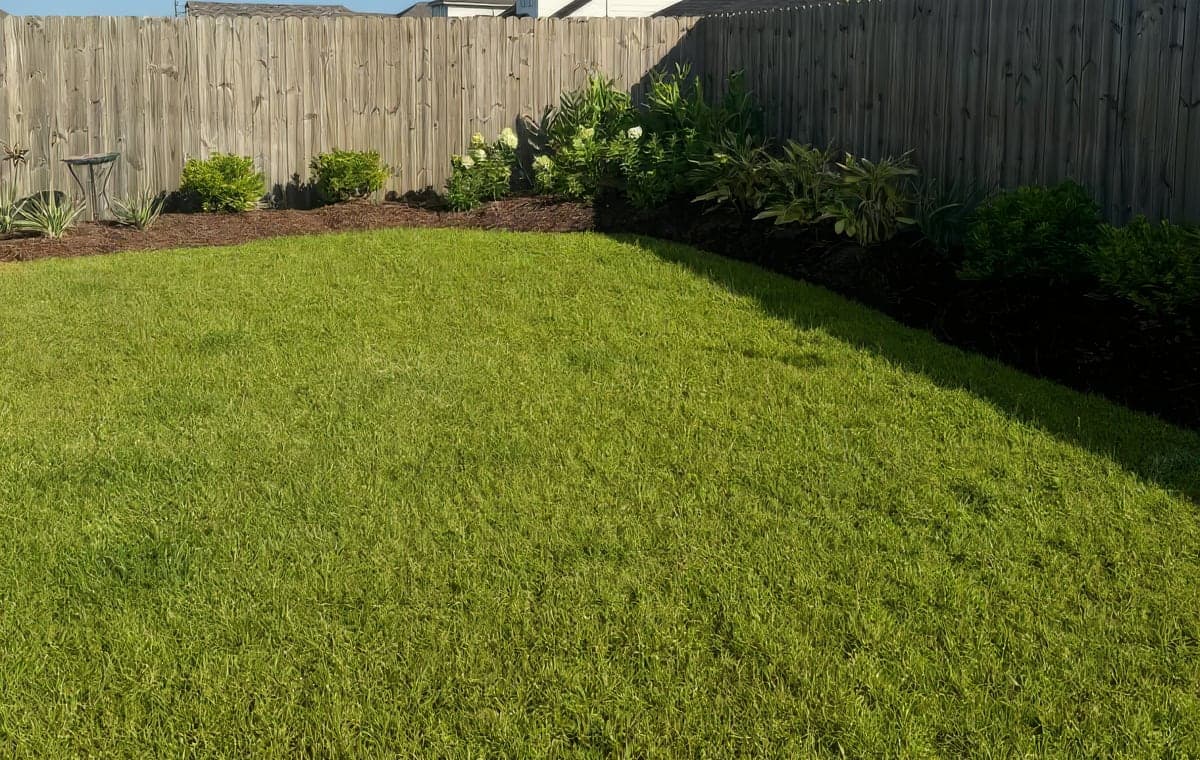
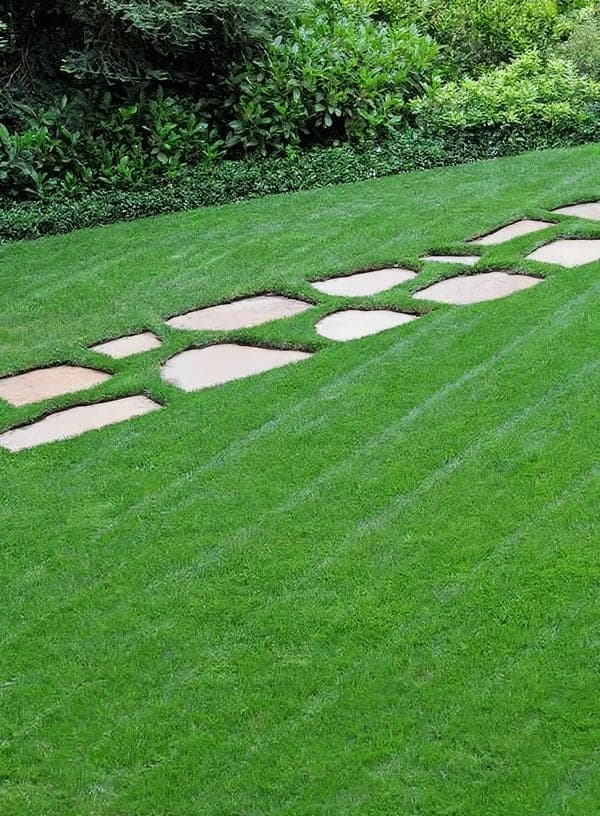
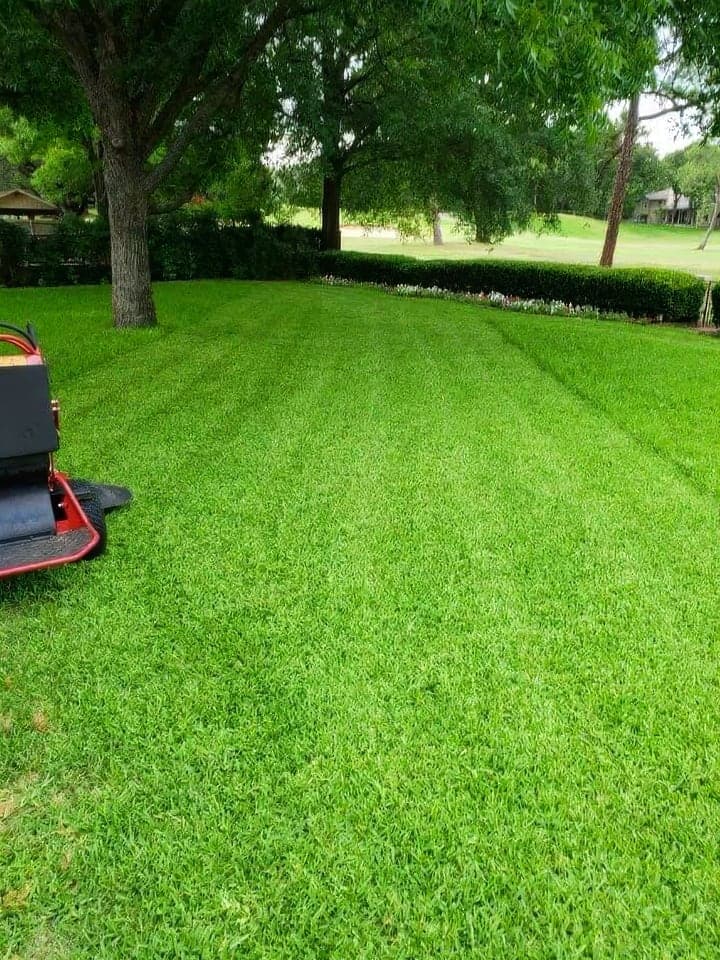
Rejuvenating your Baton Rouge lawn involves a strategic shift from reactive spring fixes to proactive winter care.
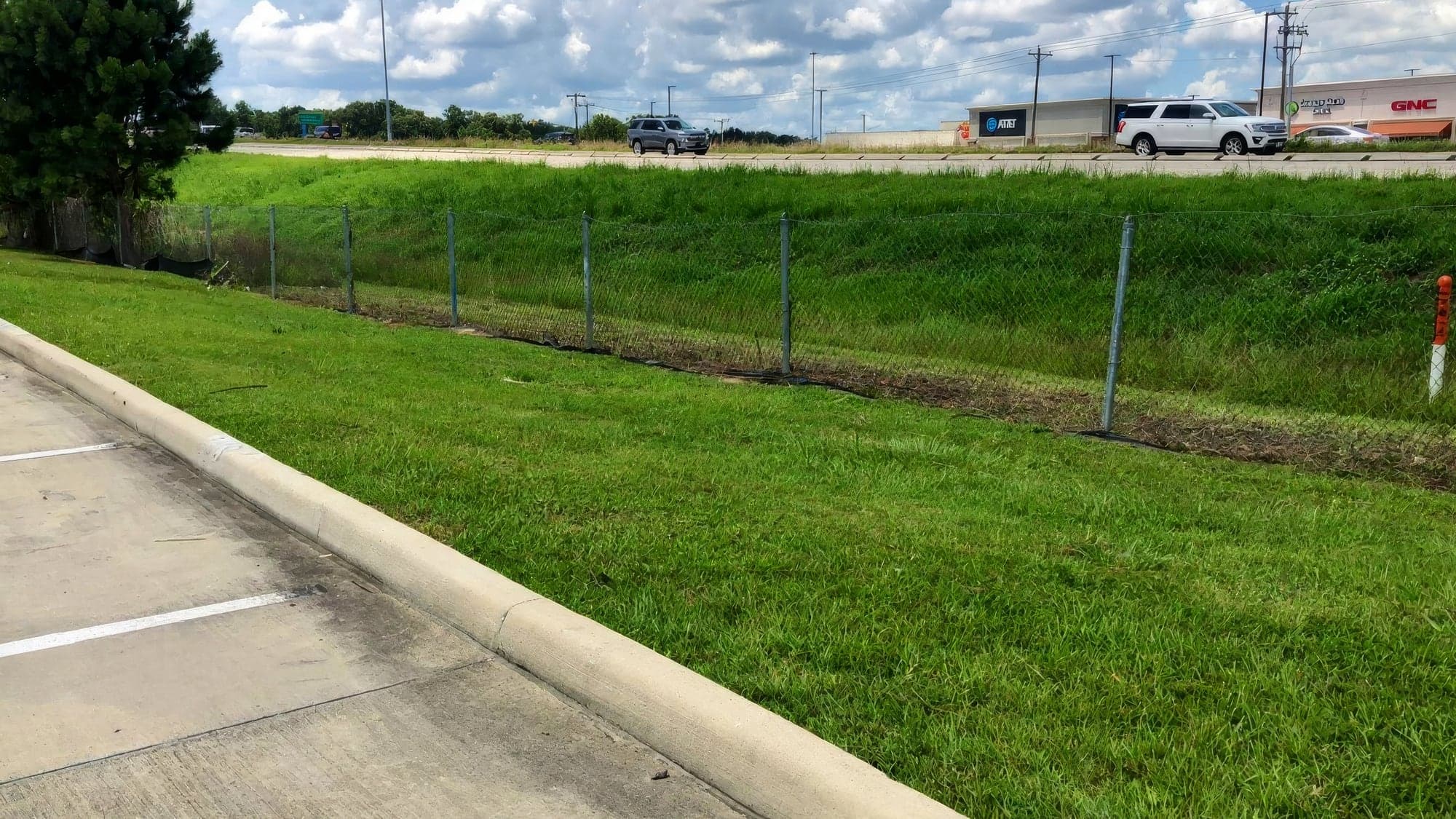
Rejuvenating your Baton Rouge lawn involves a strategic shift from reactive spring fixes to proactive winter care. The secret to a thicker, greener lawn lies in addressing dormant weeds, poor soil health, and lurking fungal diseases during the cooler months, building a resilient foundation before the growing season even begins. Proper lawn care practices throughout the year can further improve the health, appearance, and durability of your grass.
The Familiar Cycle of Spring Panic in Baton Rouge
Every April and May, it’s the same story across East Baton Rouge Parish. From the sprawling yards in The Country Club of Louisiana to the family-friendly lawns in Westminster, homeowners step outside and are greeted by a disappointing sight: brown, bare patches, and an explosion of weeds. The immediate reaction is a frantic trip to the hardware store for bags of fertilizer and weed-and-feed products, hoping for a quick fix to improve their curb appeal before the summer heat arrives.
This reactive approach, focused on treating visible symptoms, feels productive. But at Hernandez Lawnscape, with years of hands-on experience reviving lawns across Baton Rouge, we know this strategy often fails to deliver lasting results. The real secret to a truly rejuvenated and resilient lawn, one that can withstand our brutal Louisiana climate with its high humidity and summer drought stress, isn’t found in a spring panic. It’s forged in the quiet, cool months of winter.
The Counter-Intuitive Mistake: Why Spring Fertilizing Can Backfire
When you see a struggling lawn, your first instinct is to feed it. This makes perfect sense for a lawn that’s actively growing. However, our primary warm-season grasses in the area, like St. Augustine grass, Zoysia grass, Bermuda grass, and Centipede grass, are mostly dormant in the winter. Applying a heavy dose of nutrients then is one of the most common and damaging mistakes a homeowner can make.
Think of it this way: your grass is sleeping. Feeding it a high-nitrogen meal doesn’t wake it up. Instead, you’re setting a feast for the very things you don’t want. As the LSU AgCenter points out,nitrogen fertilizer should not be applied to dormant warm-season turfgrasses as it can lead to increased fungal diseases and winter kill. You’re essentially funding the enemy’s campaign. This misstep in your lawn fertilization program weakens your turf’s root system, making it more susceptible to problems when the heat returns.
Your Lawn’s ‘Sleeping,’ But Its Enemies Aren’t: The Winter Campaign
While your grass is dormant, a host of problems are very much active just below the surface. A proactive winter campaign is about systematically eliminating these threats before they can establish a foothold and dominate your yard in the spring.
Winning the War on Winter Weeds
Invasive winter weeds are the first enemy. Species like annual bluegrass, chickweed, and the dreaded lawn burweed (stickerweed) don’t take a winter break. They germinate in the fall and grow slowly through the winter, ready to explode and scatter thousands of seeds the moment temperatures rise. A correctly timed pre-emergent application in the fall is the first line of defense, creating a barrier that prevents these seeds from sprouting. For weeds that have already appeared, a professional post-emergent herbicide is critical. According to the LSU AgCenter,broadleaf weeds like clover and lawn burweed can be managed with herbicide applications in winter, from January into early spring. Tackling them in winter is far more effective and requires less chemical than waiting until they’re thriving in April.
Confronting Hidden Fungal Diseases
The second unseen enemy is fungus. That patchy, brown damage you see in March? It didn’t just appear overnight. In our mild, damp winters,a fungal disease called brown patch is active in lawns during mild winters, and the damage seen in spring often happened months earlier. Diseases like brown patch fungus and dollar spot disease thrive in cool, wet conditions. A preventative fungicide application during the winter months can stop these diseases in their tracks, protecting your lawn’s root structure and ensuring a uniform spring green-up.
Beyond Sod: Addressing the Root Cause of a Weak Lawn
Patching bare spots with new sod installation is the ultimate reactive fix. It covers the symptom but does nothing to solve the underlying reason the old grass died in the first place. The most common culprit in our region is compacted soil.
Years of foot traffic, heavy rains, and mowing can compress the clay-heavy soil common in Baton Rouge, Ascension Parish, and Livingston Parish. This compacted soil suffocates grassroots, preventing water, oxygen, and nutrients from penetrating. This is why a core component of any serious lawn renovation is addressing soil health. Winter is the perfect time for two key procedures:
- Soil Testing: A simple soil test reveals the specific deficiencies in your yard. We can determine your soil pH balance and identify which nutrients are lacking. This data allows for a custom-tailored plan of soil amendments, moving beyond a generic N-P-K fertilizer ratio to what your specific lawn needs to thrive.
- Aeration: Core aeration is the process of mechanically removing small plugs of soil to alleviate compaction. This physical process creates channels for air and water to reach the root zone. For certain situations, liquid aeration can also be an effective tool. Following aeration with top dressing, applying a thin layer of compost or rich topsoil, is the single best thing you can do to build a healthier, more resilient soil structure over time.
By focusing on soil first, you are building the foundation for a thicker lawn that naturally chokes out weeds and better withstands lawn pest control issues from chinch bugs and armyworms later in the year.
From Panic to Preparation: A Head-to-Head Comparison
Shifting your mindset from a reactive fixer to a proactive planner is the key. Here’s a direct comparison of the two approaches to lawn restoration services:
Timing of Lawn Treatments
Reactive Spring Care: Focuses on May and June, applying products to combat problems that are already highly visible and established. This is a defensive battle on all fronts.
Proactive Winter Campaign: Focuses on November through February, when the grass is dormant. This is an offensive strategy, eliminating weeds and disease and improving soil before they become major issues.
Long-Term Lawn Health and Resilience
Reactive Spring Care: Often provides a temporary aesthetic boost but fails to address the underlying causes, leading to a cycle of decline by late summer. The lawn remains weak and susceptible to drought stress.
Proactive Winter Campaign: Builds a robust root system and healthy soil structure. This creates a stronger, more drought-tolerant turf that requires less intervention during the stressful summer months. One client recently told us, “They always go a step beyond what I expect and consistently provide excellent service.” That’s because a proactive plan delivers lasting health.
Targeting Root Causes vs. Visible Symptoms
Reactive Spring Care: Chases symptoms. You see weeds, you spray. You see bare patches, you sod. This is a costly, repetitive cycle.
Proactive Winter Campaign: Targets root causes. It attacks dormant weed seeds, prevents fungal growth, and fixes compacted soil. By solving these core problems, the visible symptoms often never appear.
Answering Your Top Baton Rouge Lawn Care Questions
As experts in local residential lawn care, we hear the same questions from frustrated homeowners. Here are some straight answers.
What can I put on my grass to bring it back to life?
There is no single magic bullet. Bringing a lawn back to life is a process that starts from the ground up. It requires a combination of core aeration to relieve compaction, soil amendments to correct pH and nutrient deficiencies, a proper lawn fertilization program timed for the growing season, and implementing proper watering techniques. It’s about creating a healthy ecosystem, not just applying one product.
Is October too late to fertilize a lawn?
No, but the type of fertilizer is crucial. October is often the ideal time in Baton Rouge to apply a winterizer fertilizer. Unlike high-nitrogen spring fertilizers, a winterizer has a higher potassium content. This helps warm-season grasses with cold hardiness and storing energy for a healthier spring green-up, without encouraging the growth of winter weeds.
What does Dawn dish soap do to your lawn?
This is a common internet myth that we strongly advise against. The theory is that it acts as a wetting agent or a grub control solution. In reality, dish soap can strip the natural protective waxes from grass blades, leaving them vulnerable to disease and dehydration. It can also harm beneficial microbes in the soil. For effective lawn pest control, always use professional, tested products.
Making the Right Choice for Your Needs
The best lawn maintenance schedule depends on your goals, your budget, and how much time you’re willing to invest. Unlike the one-size-fits-all approach you might find with national chains like TruGreen or Massey Services, we believe in a custom solution.
For the ‘DIY Fixer’
You enjoy the work and the challenge. Our advice is to shift your calendar. Instead of focusing your DIY lawn renovation efforts in the spring, start in the fall. Invest in a professional soil test to guide your purchase of soil amendments and fertilizer. Be mindful of proper lawn mowing height and consider grasscycling, the City of Baton Rouge Parish recommends this practice where youleave clippings on the lawn, allowing them to quickly decompose and return nutrients to the soil.
For the ‘Frustrated Homeowner’
You’ve tried everything, spent hundreds on products, and your lawn still looks defeated by July. This cycle is a clear sign that the root causes are not being addressed. For you, partnering with a professional lawn service isn’t an expense; it’s an investment to finally break the cycle and get the results you’ve been fighting for. As one of our clients in Baton Rouge said, “I could not be more pleased with Hernandez Lawnscape. Excellent service all around…5 stars!” We can provide the strategic plan you’ve been missing.
For the ‘Proactive Planner’
You value a beautiful landscape and understand it requires consistent, expert care. You’re our ideal partner. A comprehensive, year-round plan from a professional service like ours ensures every aspect is handled at the optimal time, from pre-emergent application and dethatching to irrigation system repair and applying pet-safe lawn treatments. We can manage your entire landscape so you can simply enjoy it.
Ultimately, achieving a lush, green lawn that enhances your Baton Rouge home is about working smarter, not harder. A proactive winter campaign that focuses on the unseen enemies of your turf is the most effective and sustainable path to a landscape you can be proud of. As a licensed and insured local company, Hernandez Lawnscape is dedicated to providing tailored solutions built on expertise and a deep understanding of our unique Louisiana climate. For a personalized assessment of your property and a free estimate, contact our team today.
Leave us your contact information to receive more information
FOLLOW ME
Latest publications
Related service
Lawn Maintenance Plans in Baton Rouge
Lawn maintenance plans in Baton Rouge and Livingston Parish.
Written by Gerardo Hernandez, owner and founder of Hernandez Lawnscape
Gerardo Hernandez founded Hernandez Lawnscape in Denham Springs in 2013 with a mower and a trailer. He still walks every job, draws the landscape designs himself in Morpholio Trace, and diagnoses drainage the practical way: find the last spot to dry, trench from there, and run pipe at a steady fall to a real discharge point.