Landscaping
What are the 4 types of landscape in Baton Rouge?
In Baton Rouge, the four essential types of landscape are best understood not by style, but by the legally required professional disciplines needed to create them.
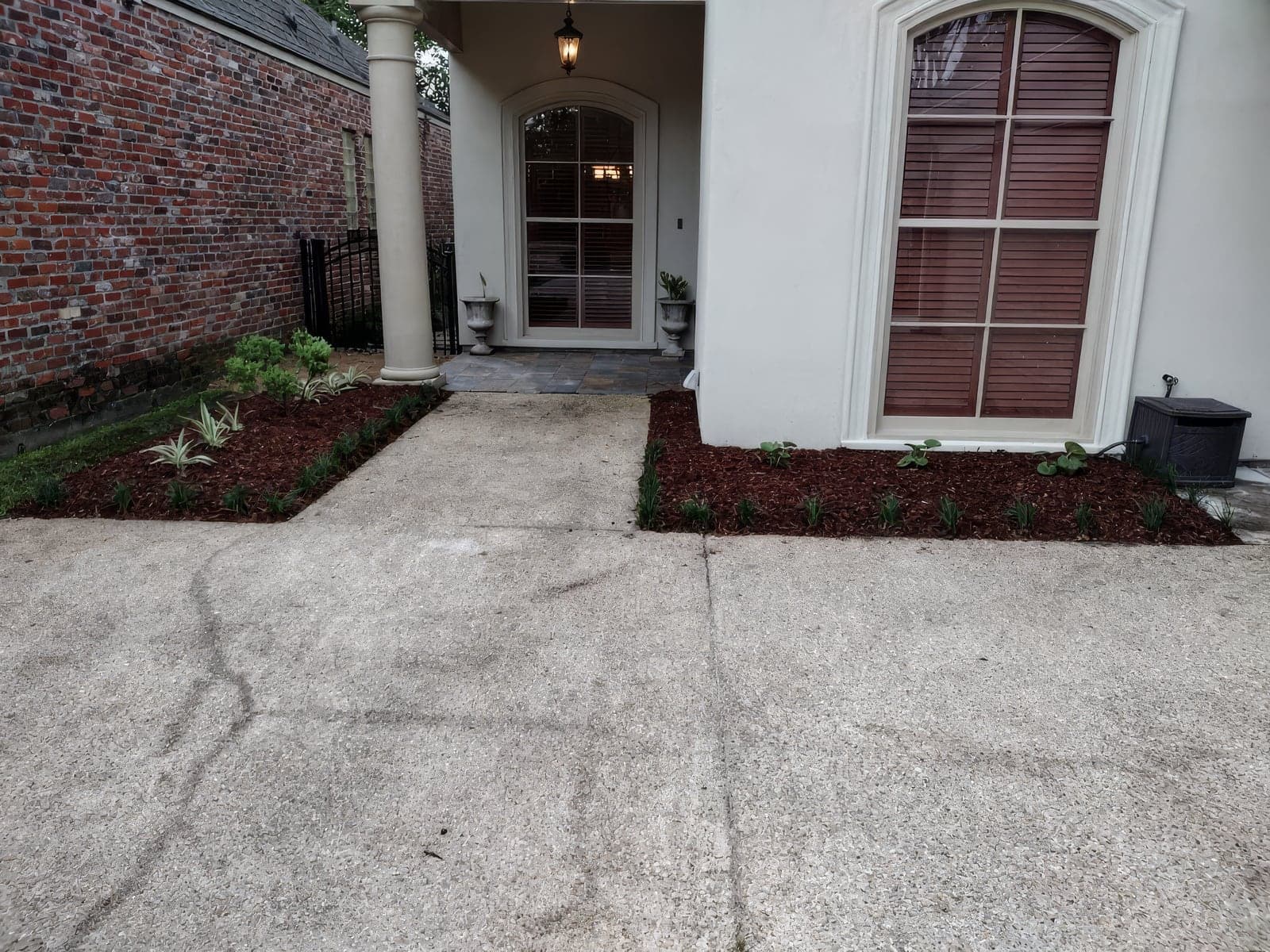
In Baton Rouge, the four essential types of landscape are best understood not by style, but by the legally required professional disciplines needed to create them. These are the Horticultural Landscape (plants and sod), the Architectural Landscape (formal design), the Irrigation Landscape (sprinkler systems), and the Foundational Maintenance Landscape (basic upkeep). Depending on the scope of the project, a licensed landscaping contractor is often required to legally oversee and execute these specialized installations.
Beyond Pretty Pictures: A Practical Framework for Your Baton Rouge Landscape
When property owners in Baton Rouge begin to search for “what are the 4 types of landscape,” they are often thinking in terms of aesthetics. They envision the lush, romantic courtyards of the Garden District, the stately grounds of historic plantations with their iconic Live Oak Trees, or perhaps a modern, low-maintenance design suited to a new suburban development. While these styles are important for inspiration, they only tell half the story. To truly understand landscaping in Louisiana, and to make a confident, protected investment in your property, you need to think like a professional. The most useful and practical way to categorize landscaping is by the distinct, licensed professional disciplines legally required to build, install, and maintain its core components.
At Hernandez Lawnscape, we’ve spent years navigating the complexities of creating beautiful and enduring outdoor spaces across East Baton Rouge Parish and beyond. We’ve seen firsthand how a lack of understanding about these professional distinctions can lead to frustration, project delays, and even legal issues. The reality is that a beautiful landscape is a complex system, a living entity built upon a technical foundation. That system is composed of four interconnected layers, each governed by a specific set of skills and, in most cases, a specific state license.
The four fundamental types of landscape are:
- The Horticultural Landscape: The living, breathing elements of your property, the trees, shrubs, flowers, and grass.
- The Architectural & Design Landscape: The blueprint and structural backbone, the master plan, patios, walkways, and overall layout.
- The Irrigation Landscape: The critical life-support system, the network of pipes, valves, and sprinkler heads that sustain the living elements.
- The Foundational Maintenance Landscape: The ongoing care and upkeep, the essential, regular work that keeps everything looking its best.
Understanding your project through this framework shifts the focus from a simple “what I want it to look like” to a more powerful “who is legally qualified to build what I want.” This knowledge empowers you to hire the right professionals, ask the right questions, and ensure every dollar you invest is building real, lasting value for your home or business, perfectly adapted to the unique challenges and opportunities of our local environment, from the rich alluvial soil of the Mississippi River Alluvial Plain to the higher ground of the Port Hudson-Plains.
The Two Ways to Define “Landscape Types”: Aesthetics vs. Professional Disciplines
Before we dive into the four professional disciplines, it’s helpful to compare this practical framework to the more common, style-based approach. Both have their place, but only one provides a clear path to successful project execution in Baton Rouge.
The Aesthetic Approach (The “What It Looks Like” View)
This is the way most people first think about landscaping. It’s about visual styles and themes. Examples you might see around Baton Rouge include:
- Southern Plantation Style: Characterized by grand Live Oak Trees draped in Spanish Moss, formal gardens, large lawns, and classic plants like magnolias and azaleas.
- French Quarter Courtyard Style: An intimate, enclosed space featuring brick or flagstone paving, wall fountains, shade-loving plants like ferns, and tropical accents.
- Modern or Contemporary: Clean lines, geometric shapes, often incorporating hardscaping elements with minimalist plantings and ornamental grasses.
- Native Louisiana Landscape: A naturalistic style focused on using native plant species like Bald Cypress Trees and Water Tupelo that thrive in our local ecosystems and support wildlife habitats.
Pros: This approach is fantastic for gathering ideas and creating a vision. It helps you communicate the desired look and feel to a designer or contractor. It’s the “fun” part of planning.
Cons: An aesthetic style is not a plan. It doesn’t tell you about the critical infrastructure required, such as drainage for our frequent heavy rains, the specific hydrology of your property, or the licensed professionals needed to legally install the components. You can’t hire a “French Quarter Courtyard installer”; you need to hire licensed horticulturists, and potentially masons and irrigation contractors.
The Professional Discipline Approach (The “Who Can Build It” View)
This framework is built around the legal and practical realities of the landscaping industry in Louisiana. It organizes the project by the type of licensed expert required for each major component. It focuses on the “how” and “who” rather than just the “what.” This view is critical for both consumer protection and project success.
Pros: This approach directly aligns with state law, ensuring your project is compliant from the start. It forces a clear definition of the scope of work, which helps in getting accurate bids. It guarantees you are hiring qualified, insured professionals who are accountable for their work, protecting you from liability and shoddy craftsmanship. It’s the framework that ensures the long-term health and stability of the entire landscape system, from the soil’s geomorphology to the urban forestry plan for your trees.
Cons: It can feel less intuitive and more technical at first. It requires a homeowner to understand that a single project might require professionals with different licenses. This initial learning curve, however, pays massive dividends in the long run.
By focusing on the professional disciplines, you are not abandoning aesthetics. Instead, you are building a solid foundation upon which your desired aesthetic can be successfully and sustainably realized. It is the essential first step toward a landscape that is not only beautiful on day one, but thrives for years to come in the heart of the Gulf Coastal Plain.
Type 1: The Horticultural Landscape, The Living Heart of Your Property
The Horticultural Landscape encompasses every living plant element in your yard. It’s the vibrant green of a healthy lawn, the seasonal color of flowering shrubs, the steadfast shade of a mature tree, and the very soil they grow in. This is the domain of biology and botany, a living system that requires specialized knowledge to establish and maintain. In Louisiana, the professionals who manage this domain are known as Landscape Horticulturists, and they operate under a specific set of state regulations.
The Role of the Licensed Landscape Horticulturist
A common misconception is that anyone with a truck and a mower can legally install plants and sod. This is not the case. The state takes the health and integrity of our green spaces seriously. According to the Louisiana Department of Agriculture and Forestry,a ‘Landscape Horticulturalist License’ is required to recommend and execute beautification through plants, which includes services like plant installation, sod installation, pruning, and fertilizing. This license ensures that the individual has demonstrated a minimum level of competency in plant science, safety, and best practices. They are the qualified experts responsible for the “green” part of your landscape.
Their work begins long before the first plant goes in the ground. A true professional will conduct a thorough site analysis, considering factors like:
- Soil Composition: Is your property built on the dense, heavy alluvial soil common near the Mississippi River, or the silty loess soil found on higher ground like the Istrouma Bluff? The soil type dictates drainage, nutrient availability, and plant selection. A proper soil test, which might yield a specific ‘zg’ or ‘ks’ classification, is a critical first step.
- Sunlight and Shade Patterns: They will map how the sun moves across your property throughout the day and year, ensuring sun-loving plants aren’t placed in deep shade and vice-versa.
- Local Hydrology: How does water move across your land? Is it near one of our local rivers like the Comite River or Amite River, or in a low-lying area prone to flooding? This impacts both plant choice and the need for drainage solutions.
- Existing Vegetation: What can be saved? Are there mature trees that need to be protected during construction? Is there an issue with invasive species management that needs to be addressed?
Plant Selection: More Than Just Curb Appeal in East Baton Rouge Parish
Choosing the right plant for the right place is the single most important factor in the long-term success of a horticultural landscape. In the challenging subtropical climate of Baton Rouge, this is both an art and a science. A licensed horticulturist moves beyond simple aesthetics to select plants that are genetically suited to thrive here. This means considering heat tolerance, humidity resistance, and water needs.
They provide expert guidance on creating a diverse and resilient planting plan. This could involve layering different types of plants for year-round interest, from foundational shade trees like Live Oaks and Magnolias, to mid-level shrubs, to perennial flowers that provide seasonal color. They understand the value of incorporating native plant species, which are naturally adapted to our climate and provide crucial resources for local wildlife habitats. A visit to the LSU AgCenter Botanic Gardens or the Bluebonnet Swamp Nature Center provides a stunning showcase of the beauty and variety of plants that flourish in our Louisiana ecoregions.
This expert guidance prevents costly mistakes, such as planting species that are prone to disease in our humid air or choosing plants with root systems that could damage foundations or utility lines. They understand deltaic processes and how sedimentation in certain areas affects soil health, ensuring the horticultural design is sustainable for the long term.
Sod Installation and Lawn Health: The Foundation of Green
A lush, green lawn is the cornerstone of many residential landscaping projects in Baton Rouge. But achieving that look involves more than just unrolling some turf. As a licensed horticultural service, proper sod installation involves a multi-step process: removing old grass and weeds, grading the soil to ensure proper drainage away from the home’s foundation, amending the soil with necessary nutrients, and finally, laying high-quality, fresh-cut sod. The type of sod, be it St. Augustine, Zoysia, or Centipede, is carefully selected based on the property’s sun exposure and the homeowner’s maintenance preferences.
This is where the commitment to craftsmanship truly shows. As one of our clients noted, “They always go a step beyond what I expect and consistently provide excellent service.” That extra step in horticulture is the meticulous soil preparation that ensures the new sod roots deeply and quickly, creating a durable and healthy lawn that can withstand summer stress and heavy foot traffic, whether it’s in a backyard in a new suburban development or part of the urban green spaces downtown.
Distinguishing Certification from Licensure
It is important for consumers to understand the difference between a professional certification and a state license. Industry groups like the Louisiana Nursery & Landscape Association offer valuable credentials for ongoing education. For example,the Louisiana Nursery & Landscape Association’s Certified Nursery and Landscape Professional (CNLP) certification is a professional credential but is explicitly not the same as the state licenses legally required to operate a horticultural business in Louisiana. While a CNLP designation signals a commitment to the profession and advanced knowledge, it is the state-issued Landscape Horticulturist license that provides the legal authority to perform horticultural work for hire. Always ask to see proof of the state license before hiring a company for plant or sod installation.
Type 2: The Architectural & Design Landscape, The Strategic Blueprint
If the horticultural landscape is the living heart of your property, the architectural and design landscape is its skeleton. This is the master plan, the layout, the “bones” that give the space structure, function, and flow. It encompasses all the non-living or “hardscape” elements: patios, decks, walkways, retaining walls, outdoor kitchens, and the overall spatial arrangement of the property. This type of landscape is governed by planning, engineering, and, for more complex or commercial projects, the expertise of a licensed Landscape Architect.
The Role of the Licensed Landscape Architect
A Landscape Architect is a state-licensed professional with a degree in landscape architecture, who has passed a national exam. They are experts in land use planning, site design, and environmental systems. Their role is to analyze a property and create a comprehensive, functional, and aesthetically pleasing master plan. They are legally authorized to produce and sell these detailed plans, often stamping them with their professional seal. This is particularly crucial in a commercial context.
Their work involves a deep analysis of the site’s opportunities and constraints, including topography, drainage patterns, zoning regulations, and how the space will be used by people. They don’t just decide where to put the patio; they decide how big it should be to accommodate your family, how it connects to the house and the rest of the yard, what materials are best suited for our climate, and how it will manage stormwater runoff, a critical consideration for any property within the floodplain ecosystems of our region.
When is a Landscape Architect Necessary in Baton Rouge?
While not every residential project requires a licensed Landscape Architect, their involvement becomes essential, and often legally mandatory, in several scenarios. For large-scale residential renovations involving significant changes to grading, drainage, or the addition of major structures, their expertise is invaluable for creating a cohesive and well-engineered plan. For any commercial development, their role is often non-negotiable.
Local governments have specific rules to ensure new developments are safe, environmentally sound, and aesthetically pleasing. In fact,a Baton Rouge commercial landscape ordinance can require that landscape plans have the ‘stamp of approval from a landscape architect’ to ensure compliance. This ensures that projects meet requirements for things like greenspace ratios, parking lot shading, and stormwater management. Their expertise in watershed management and the design of flood control structures at the property level is vital for responsible development along our city’s many bayous and rivers.
These professionals are key players in the broader urban landscape, contributing to the design of public spaces like the BREC Parks System, from City-Brooks Community Park to Highland Road Park, and ensuring the Louisiana State University Campus remains a beautiful and functional environment. They apply principles of geomorphology and hydrology to solve complex site challenges, making them indispensable for projects that significantly alter the land.
Design vs. “Design-Build”: What’s the Difference?
Traditionally, a property owner would hire a Landscape Architect to create a set of plans and then take those plans to several landscape installation companies to bid on the construction. This is a perfectly valid approach, especially for very large or public-sector projects. However, for many homeowners and businesses, a more streamlined process known as “design-build” is often preferred.
In a design-build model, a single company handles the entire project from initial concept and design through final installation. A firm like Hernandez Lawnscape, which has design expertise in-house and holds the necessary installation licenses, can offer a seamless experience. This approach fosters better communication, as the designers and installers are part of the same team. It can also be more efficient and cost-effective, as design decisions are made with a practical understanding of construction costs and techniques from the very beginning. The final plan becomes a complete and actionable ‘endobj’ type document, ready for immediate and accurate implementation by a team that already understands the vision. This integrated process ensures that the design intent is perfectly translated into the built reality.
Type 3: The Irrigation Landscape, The Unseen Life-Support System
Hidden beneath the lush grass and vibrant flower beds lies a critical piece of infrastructure: the irrigation landscape. This is the circulatory system of your property, a complex network of pipes, valves, controllers, and sprinkler heads designed to deliver water precisely when and where it’s needed. In the Baton Rouge climate, with our intense summer heat and unpredictable rainfall, a professionally designed and installed irrigation system is not a luxury; it’s an essential component for protecting your horticultural investment.
This is another area where specialized, licensed expertise is required. The technical knowledge needed to design and install a water-efficient and reliable irrigation system is distinct from horticultural or architectural skills. Attempting to install a system without proper knowledge can lead to wasted water, damaged plants (from over- or under-watering), and costly repairs.
The Role of the Licensed Landscape Irrigation Contractor
Just as there are specific licenses for horticulture and architecture, the state of Louisiana mandates a specific license for this technical trade. As the Louisiana Department of Agriculture and Forestry states,a ‘Landscape Irrigation Contractor License’ is a distinct license required for anyone who works on landscape irrigation systems in Louisiana. This ensures the contractor understands hydraulics, system design, component selection, and local plumbing codes. It is illegal for an unlicensed individual to charge for the installation or repair of a sprinkler system.
The work of a licensed irrigation contractor is meticulous. It involves:
- System Design: Calculating water pressure and flow rate, establishing zones based on plant water needs (e.g., turf zones separate from shrub bed zones), and selecting the appropriate types of sprinkler heads and emitters. A specific model m4 head might be used for a delicate flower bed, while a larger, more robust rotor would be used for an open lawn.
- Installation: Properly trenching and laying pipes to the correct depth, making secure, leak-free connections, and installing control valves and a smart controller.
- Backflow Prevention: Installing a legally required backflow prevention device to protect the public water supply from contamination, a critical public health and safety measure.
Designing an Efficient Irrigation System for Baton Rouge’s Climate
Modern irrigation is about much more than just spraying water. The goal is efficiency and conservation. A licensed contractor will design a “smart” system tailored to our local conditions. This might include features like rain sensors that automatically shut the system off during a downpour, controllers that adjust watering schedules based on real-time weather data, and the use of high-efficiency nozzles and drip irrigation. Drip lines are particularly effective for garden beds and foundation plantings, as they deliver water directly to the root zone, minimizing evaporation and preventing fungal diseases on plant leaves.
The design must account for our unique soil. The heavy clay and alluvial soil common in much of East Baton Rouge Parish absorbs water slowly. An improperly designed system will cause runoff, wasting water and carrying fertilizers into our stormwater systems and eventually into bodies of water like Bayou Manchac and the Capital Lakes. A professional will specify watering cycles with shorter durations and multiple start times (a “cycle and soak” approach) to allow water to penetrate the soil without running off. Proper design of the entire system obj, ensuring the main stream line is correctly sized and the pressure is regulated, is paramount for this efficiency. We often see complex arrays, sometimes referred to by insiders with a shorthand like m4 m4 m4 m4, designed to cover large commercial turf areas with maximum efficiency.
Maintenance and Repair: Protecting Your Investment
An irrigation system is not a “set it and forget it” installation. It is a mechanical system that requires regular maintenance to function optimally. A licensed contractor provides essential ongoing services, including:
- Seasonal Adjustments: Changing the watering schedule to match the changing needs of the seasons, more water in the peak of summer, less in the cooler, wetter months.
- System Checks: Regularly running through the zones to check for leaks, clogged nozzles, or misaligned sprinkler heads that may be spraying sidewalks or buildings instead of the landscape.
- Winterization: While our winters are mild, protecting the backflow preventer from a hard freeze is essential to avoid a costly repair.
- Repairs: Expertly troubleshooting and repairing broken heads, leaking valves, or cut lines, ensuring the entire system from its start to its ‘endstream’ point functions perfectly.
By entrusting this critical system to a licensed professional, you ensure your plants get the water they need to thrive, you conserve a valuable natural resource, and you protect the significant financial investment you’ve made in your property’s living landscape.
Type 4: The Foundational Maintenance Landscape, The Unregulated Base Layer
The fourth and final type of landscape is the one most familiar to homeowners: foundational maintenance. This encompasses the regular, ongoing tasks that keep a property looking neat, tidy, and well-cared for. It’s the weekly mow, the crisp edge along the driveway, the clearing of leaves and debris. This is the base layer of landscape management, and interestingly, it is the one area that does not require a specific state license to perform.
What Constitutes “Unlicensed” Yard Work?
The state of Louisiana draws a clear line between licensed horticultural activities and basic maintenance. According to the Louisiana Department of Agriculture and Forestry, basic‘Yard work,’ defined as cutting lawns, edging, and hand-weeding beds, is not regulated by the Louisiana Department of Agriculture and Forestry and does not require a license. This allows for a wide range of individuals and companies to offer “mow and blow” services. It is the most accessible entry point into the green industry, and for many homeowners, a reliable crew to handle these basic chores is all they need on a regular basis.
Why Professionalism Still Matters, Even Without a License
The absence of a license requirement does not mean a lack of importance. The quality and reliability of your maintenance service has a huge impact on your property’s appearance and your personal satisfaction. While anyone can legally offer these services, a truly professional company brings much more to the table. When selecting a maintenance provider, you should still look for key indicators of professionalism:
- Proper Insurance: Do they carry general liability and worker’s compensation insurance? This protects you, the homeowner, from any liability in case of an accident or damage to your property.
- Professional Equipment: Are they using well-maintained, commercial-grade equipment? This results in a cleaner cut and better results.
- Reliability and Communication: Do they show up on the scheduled day? Do they communicate clearly about rain delays or other issues?
This is where trust is built. As a satisfied customer shared, “I felt confident that his business was right for me…Excellent service all around…5 stars!” That confidence comes from knowing you’ve hired a professional, responsible business that respects your property, not just someone with a mower looking to make a quick buck.
The Overlap with Licensed Services
Herein lies a critical point that many property owners miss: the line between unlicensed maintenance and licensed horticulture is very easy to cross. The moment a maintenance service goes beyond simple cutting and weeding and performs tasks like applying fertilizer, treating for pests or diseases, or even extensively pruning shrubs and ornamental trees, they are stepping into the domain of a licensed Landscape Horticulturist.
This distinction is reinforced by other state bodies as well. TheLouisiana State Licensing Board for Contractors’ ‘Landscaping, Grading, and Beautification’ specialty classification requires licensure from the Louisiana Department of Agriculture and specifically refers to landscaping and irrigation. This shows how the state views these services as integrated and requiring proper credentials. A company that offers “full service” maintenance that includes these horticultural treatments must have the appropriate licenses on staff. Hiring an unlicensed and uninsured individual to apply chemicals to your lawn, for example, is a significant risk to both your landscape’s health and your own liability.
This is why choosing a comprehensive, fully-licensed company like Hernandez Lawnscape for your maintenance needs provides peace of mind. Our crews performing basic yard work are trained to spot potential horticultural issues, like early signs of fungus or insect infestation. And because we have licensed horticulturists on our team, we can legally and effectively diagnose and treat the problem, providing a seamless continuum of care that protects the health and beauty of your entire landscape.
Key Factors for Your Baton Rouge Landscaping Project
As you plan your next outdoor project, understanding the four professional landscape types allows you to make informed decisions. Keep these key factors in mind to ensure you hire the right team and achieve the best results.
Type of License Required for the Project
This is the most critical factor. Before you hire anyone, clearly define what you need done and match it to the required Louisiana state license.
- Installing new plants, trees, sod, or applying fertilizer? You must hire a company with a licensed Landscape Horticulturist.
- Installing or repairing a sprinkler system? You need a licensed Landscape Irrigation Contractor.
- Need a formal, paid design for a commercial property or a complex residential build? You will likely need a licensed Landscape Architect.
- Just need the lawn mowed, edged, and beds hand-weeded? No specific license is required, but you should still insist on a professional, insured company.
Verifying licenses is easy and is the single best way to protect yourself as a consumer.
Scope of Work (e.g., maintenance vs. new installation)
The scale and complexity of your project will determine the team you need. A simple weekly lawn maintenance agreement is vastly different from a full backyard renovation. A large project may involve all four landscape types simultaneously: an initial design from an architect, installation of irrigation and hardscaping, horticultural installation of plants and sod, and finally, an ongoing maintenance plan. For these comprehensive projects, a design-build firm that holds all the necessary licenses in-house can be a tremendous asset, simplifying communication and project management into a single point of contact.
Need for Formal, Stamped Design Plans for Compliance
For many homeowners, a simple sketch or a collaborative design process with a landscape professional is sufficient. However, for any commercial property in Baton Rouge, or for residential projects that require permits (like those affecting drainage, public right-of-ways, or building major structures), a formal plan stamped by a licensed Landscape Architect may be a legal requirement. This is not an optional step; it is a prerequisite for project approval by parish or city officials. Always check with the local planning and zoning office before beginning any major project to understand the documentation and compliance requirements.
Making the Right Choice for Your Needs
There is no single “best” type of landscape professional; there is only the right professional for your specific situation. By identifying your needs, you can confidently select the right expert or team to bring your vision to life.
For the Maintenance-Minded Homeowner
Your primary need is reliability and quality for ongoing, unlicensed services like mowing, edging, and blowing. Your focus should be on finding a professional, insured company that shows up consistently and does excellent work. However, consider choosing a company that also has licensed horticulturists on staff. This way, when a lawn issue like brown patch fungus or an insect problem arises, the same trusted company you use for mowing can legally and effectively diagnose and treat the issue, providing a more holistic approach to your property’s health.
For the Project-Focused Property Owner
You’re embarking on a specific, significant outdoor project, such as installing new flower beds, putting in a new lawn, adding a patio, or installing a sprinkler system. Your first step is to clearly define the scope of your project to identify which specific licenses are required. Will you need a Landscape Horticulturist for the plants and sod? A Landscape Irrigation Contractor for the sprinklers? For projects involving multiple disciplines, a qualified design-build firm that holds all the necessary licenses can be the most efficient and streamlined choice. Always get detailed, written proposals and verify the licenses of any contractor before signing a contract.
For the Commercial Property Manager
Your responsibilities are complex, and your decisions are governed by local ordinances, liability concerns, and the need to maintain a professional appearance for your business, industrial corridor property, or residential complex. Your process must be rigorous. For any new construction or significant landscape renovation, you should begin by engaging a licensed Landscape Architect to ensure your plans will meet all municipal codes in East Baton Rouge Parish. From there, you will need to hire contractors with verified and current Landscape Horticulturist and Landscape Irrigation Contractor licenses for the installation and ongoing, comprehensive maintenance. Vetting for proper licensing and adequate insurance is not just good practice, it is an essential part of your risk management strategy.
Ultimately, understanding that the “types of landscape” are best defined by the licensed professionals who build them provides you with a powerful framework for success. It transforms you from a passive buyer into an informed client, capable of navigating the industry with confidence and clarity. By focusing on the legal and professional qualifications first, you ensure that the beauty of your chosen aesthetic will be built on a foundation of quality, compliance, and lasting value. For a comprehensive assessment of your property and a clear, transparent quote that outlines the licensed expertise your project requires, contact the team at Hernandez Lawnscape today.
Leave us your contact information to receive more information
FOLLOW ME
Latest publications
Related service
Landscaping Baton Rouge: Design, Renovation and Installation
Landscape design and renovation in Baton Rouge and Livingston Parish.
Written by Gerardo Hernandez, owner and founder of Hernandez Lawnscape
Gerardo Hernandez founded Hernandez Lawnscape in Denham Springs in 2013 with a mower and a trailer. He still walks every job, draws the landscape designs himself in Morpholio Trace, and diagnoses drainage the practical way: find the last spot to dry, trench from there, and run pipe at a steady fall to a real discharge point.