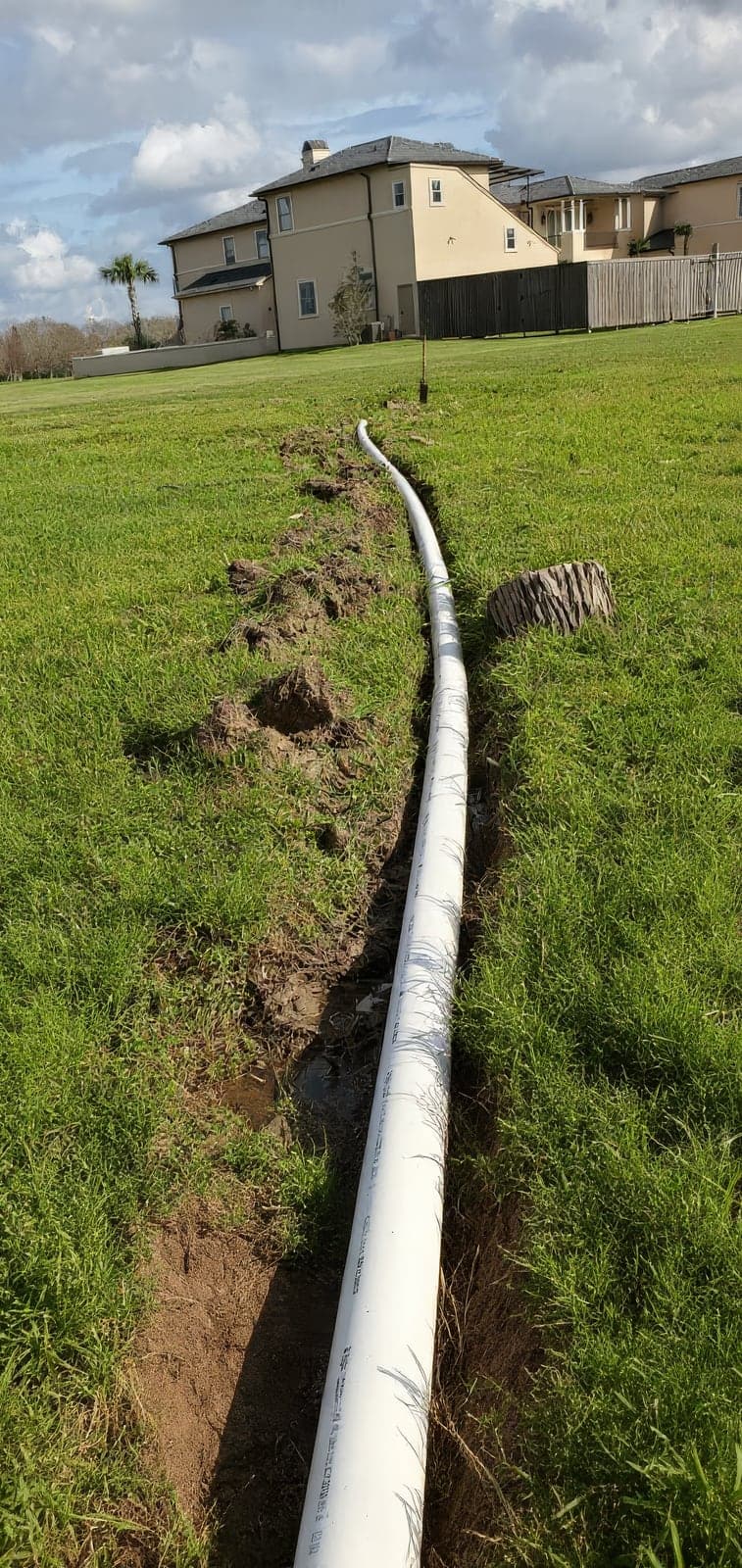
Sprinkler systems
Should You Still Water Your Lawn in October in Baton Rouge?
In Baton Rouge, LA, you should continue watering your lawn in October, but shift to a “survival-only” mindset.
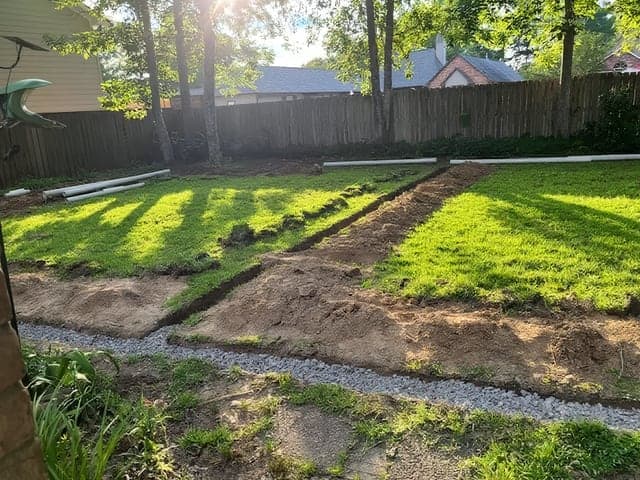
In Baton Rouge, LA, you should continue watering your lawn in October, but shift to a “survival-only” mindset. Reduce frequency to once a week or less and utilize a professional lawn care service to ensure you are watering deeply enough to support the root system for winter dormancy while preventing standing water that breeds mosquitoes and conserving our vital Southern Hills Aquifer.
The Big Question: Is October Watering Helping or Hurting Your Baton Rouge Lawn?
As the intense summer heat finally breaks across Baton Rouge and the first hints of fall settle in, a familiar question arises for homeowners from the Garden District to Shenandoah: “Should I still be watering my lawn?” The automatic response for many is to maintain the summer watering schedule, chasing that vibrant green before the cooler months arrive. But here in our unique Gulf Coast climate, the answer isn’t a simple yes or no. In fact, your October lawn care strategy is a delicate balancing act with consequences that extend far beyond curb appeal.
For Baton Rouge homeowners, watering your lawn in October is less about keeping it green and more about a critical trifecta of responsibilities: providing just enough water for winter survival, actively preventing public health hazards like mosquito breeding grounds, and conserving our threatened Southern Hills Aquifer. It requires a fundamental shift in mindset. With over 21 years of dedicated turf management experience in East Baton Rouge Parish, we at Hernandez Lawnscape have seen firsthand the damage that can result from improper fall watering. This guide is designed to provide the clarity you need to make the best decision for your lawn, your family, and our community.
Shifting Your Mindset: From Summer Growth to Winter Survival
The first step to mastering fall lawn care is understanding what your grass is actually doing in October. It’s not growing; it’s preparing. The frantic, upward growth of summer is over. Your lawn is now entering a crucial preparatory phase for winter dormancy.
Understanding Winter Dormancy in Warm-Season Turfgrass
Baton Rouge is home to warm-season turfgrass varieties like St. Augustine grass, Centipede grass, Zoysia grass, and Bermuda grass. These grasses thrive in our hot, humid summers but naturally slow down and turn brown or straw-colored as soil temperature drops. This winter dormancy is a natural, protective state, not a sign of death. During this time, the grass redirects its energy away from producing green blades and focuses on its most vital component for long-term health: the root system.
A deep, robust root system is your lawn’s best defense against winter damage and the key to a vigorous spring green-up. Proper watering in the fall encourages deep root system development, giving the grass the foundation it needs to survive a potential first freeze and outcompete winter weeds when the growing season returns. This period of preparation is crucial, as our subtropical climate means the landscape is still active. Indeed, a study on regional agriculture notes that for many growers in the Louisiana region, the principal production seasons for crops are the fall through the winter and spring, indicating a need for landscape management and potential watering during these cooler monthsaccording to agricultural researchers. Your lawn, a perennial grass, is no different in its need for thoughtful seasonal lawn care.
What “Survival-Only” Watering Looks Like
A “survival-only” watering schedule means abandoning the frequent, shallow watering of summer. Instead, the goal is deep watering, applied infrequently. For an established lawn, this typically translates to about one inch of water per week, and that includes any rainfall we receive. This approach encourages the roots to grow deeper in search of moisture, making the entire turf more resilient to drought stress.
How do you know when to water? Don’t rely on a calendar. Rely on your lawn. Check the soil moisture. If you can easily push a 6-inch screwdriver into the ground, there is likely enough moisture. If it meets hard, dry resistance, it’s time to water. This simple test is far more effective than a rigid watering schedule that ignores our often-unpredictable fall rain showers.
The Unseen Dangers of Overwatering in the Fall
While under-watering can cause lawn stress, over-watering in October poses a far greater and more immediate threat to both your lawn’s health and your family’s well-being.
Public Health Risk #1: Creating a Mosquito Haven in Your Backyard
In South Louisiana, our battle with mosquitoes is a year-round concern, but the fall presents a unique danger. As air temperatures cool, the evaporation rate slows dramatically. A lawn that might have dried out in a few hours in August can now remain saturated for days after watering. This soil saturation creates countless small pockets of standing water, in the thatch layer, in low spots, and in clay soil that drains slowly, which are the perfect breeding grounds for mosquitoes.
The city of Baton Rouge takes this so seriously that it advises residents to ensure swimming pool filters are operating from May through Octoberto prevent mosquito breeding. If a large pool is a risk, imagine the cumulative effect of thousands of overwatered lawns. This isn’t just about annoying bites. Mosquito-borne diseases are a serious reality. Since 2001, over 50,000 confirmed cases of West Nile Virus have occurred in the United States, with over 2,300 resulting in deathaccording to public health data. By watering improperly in the fall, you could be inadvertently turning your property into a public health risk.
Agronomic Risk #2: Inviting Fungal Diseases and Root Rot
Beyond pests, excessive moisture in cool weather creates the ideal environment for destructive fungal diseases. The most common culprit we see in Baton Rouge lawns is Large Patch, often called Brown Patch disease. This fungus thrives in cool, damp conditions, causing large, circular patches of brown, dying grass that can be devastating to St. Augustine and Centipede lawns. The damage done in the fall often doesn’t fully reveal itself until spring, leaving homeowners with a weak, patchy lawn that struggles to recover.
Furthermore, constantly saturated soil deprives roots of oxygen, leading to root rot. This condition suffocates the root system, making it impossible for the grass to absorb water and nutrients. A lawn with root rot is weak, susceptible to winter damage, and will have a very poor spring green-up.
The Invisible Crisis Beneath Our Feet: Your Sprinkler and the Southern Hills Aquifer
Every time your sprinkler system kicks on, it has an impact that goes deeper than your lawn’s root depth. It taps directly into our most precious natural resource: the Southern Hills Aquifer System. This massive underground freshwater source supplies the drinking water for the entire Baton Rouge area. And it is in trouble.
Our region’s heavy reliance on this single source has led to a critical issue of over-pumping. This isn’t a distant, abstract problem. Scientific analysis has shown that in Louisiana’s Capital Area, extensive groundwater withdrawals from the Southern Hills Aquifer System are accelerating the infiltration of saltwater into its freshwater sandspotentially reducing the amount of available groundwater. Every gallon of water unnecessarily sprayed onto a dormant lawn contributes to this existential threat. Responsible water conservation is no longer just a good idea; it’s a civic duty for every resident of East Baton Rouge Parish. Adjusting your fall watering habits is one of the most direct and impactful ways you can help protect our water supply for future generations.
A Practical Guide to Smart October Watering in Baton Rouge
Understanding the stakes is one thing; taking action is another. Here are the precise, actionable steps you can take to water correctly this fall, ensuring lawn health while protecting our community and environment.
Step 1: Assess Your Lawn’s Actual Needs
Before you even think about turning on the sprinkler, perform these simple checks:
- The Screwdriver Test: As mentioned earlier, grab a regular screwdriver. If you can push it 4-6 inches into the soil with relative ease, your lawn has sufficient moisture. Don’t water.
- Look for Signs of Lawn Stress: A thirsty lawn will have a grayish-blue tint, and the grass blades will not spring back up quickly when you walk on them. Water only when you see these signs of drought stress.
- Invest in a Rain Gauge: Don’t guess how much rain you’ve received. A simple, inexpensive rain gauge placed in your yard is the best tool to track precipitation. If you’ve received an inch of rain during the week, your irrigation system should remain off.
Step 2: Optimize Your Watering Technique
When your lawn does need water, do it the right way:
- Practice Morning Watering: The best time to water is in the early morning, between 4 a.m. and 9 a.m. This gives the water time to soak deep into the soil before the sun gets high, minimizing loss to evaporation. Watering in the evening or at night leaves the grass blades wet for too long, promoting fungal diseases.
- Water Deeply and Infrequently: Your goal is to deliver one full inch of water in a single session. To measure this, place a few empty tuna cans around your lawn before you turn on the sprinkler system. Time how long it takes for them to fill to the one-inch mark. Now you know exactly how long to run your system for a deep watering session.
Step 3: Conduct a Simple Irrigation Audit
A faulty irrigation system is a leading cause of water waste. A quick audit can save you money and protect the aquifer. Walk your property while the system is running and look for:
- Leaky or Broken Sprinkler Heads: Geysers and puddles are obvious signs of waste.
- Misaligned Heads: Your sprinklers should be watering your lawn, not the driveway, sidewalk, or street.
- Uneven Coverage: Look for dry spots, which could indicate a clogged or blocked head, and overly saturated areas, which could mean a head is stuck.
Performing a thorough audit is a key part of comprehensive turf management. Many of our clients appreciate this level of detail. As one homeowner recently told us, “They always go a step beyond what I expect and consistently provide excellent service.” Ensuring your system is efficient is a perfect example of that extra step.
The October Watering Decision: Weighing the Factors
To make a confident decision, it helps to see the trade-offs clearly. Here’s a breakdown of the core factors at play.
Lawn Health & Survival
PROS: Proper, deep watering in October strengthens the root system, improves plant hardiness, and prevents winter damage from desiccation (drying out) during dry spells. This leads to a much faster and healthier spring green-up.
CONS: Overwatering is highly detrimental. It promotes shallow roots, suffocates the plant, and creates a breeding ground for destructive fungal diseases like Brown Patch, causing significant damage that can be costly to repair in the spring.
Mosquito Proliferation
PROS: By watering correctly, deeply, infrequently, and only when necessary, you avoid creating the standing water conditions that mosquitoes need to breed, actively making your property safer.
CONS: Any form of overwatering, even slightly, drastically increases the risk. Cooler fall temperatures mean water lingers, turning your lawn into a potential public health hazard for your family and neighbors.
Water Resource Conservation
PROS: A smart, “survival-only” watering plan that accounts for rainfall can reduce your fall water consumption by 50% or more compared to a fixed summer schedule. This directly helps alleviate stress on the Southern Hills Aquifer.
CONS: Sticking to an automatic, high-frequency sprinkler schedule wastes thousands of gallons of precious groundwater, contributing to saltwater intrusion and the long-term depletion of our primary water source.
Answering Your Common Fall Lawn Care Questions
Homeowners often have similar questions this time of year. Here are direct answers to the most common ones we hear.
Should I stop watering my grass in October? No, you should not completely stop watering, especially in our Louisiana climate which can have warm, dry spells well into the fall. Instead, you should drastically change *how* you water, shifting from a growth-focused schedule to a less frequent, survival-focused one.
How late in the fall should I water my lawn? Continue to water as needed (based on soil moisture tests, not the calendar) until the ground temperature consistently drops and the lawn is fully dormant. In Baton Rouge, this can be as late as November or December. The need for water is dictated by moisture levels, not a specific date on the calendar.
What temperature stops watering a lawn? There isn’t a magic air temperature that acts as a cutoff. It’s more about a consistent trend. Once daytime high temperatures consistently stay below 60°F, the grass growth rate of warm-season turf slows to a crawl, and its water needs become minimal. However, a windy, sunny day can still dry out the soil, so always default to checking for actual moisture.
Can new grass go two days without water? This is an important distinction. The advice in this article applies to an established lawn. New grass, such as from dormant seeding or overseeding with winter rye, has very different needs. Its shallow roots require light, frequent watering to stay moist until germination and establishment. An established lawn, however, can and should go much longer than two days without water in the fall.
Beyond Watering: Other Crucial October Lawn Maintenance Tasks
A healthy lawn requires more than just proper irrigation. October is the perfect time for other lawn maintenance activities that set the stage for a beautiful spring.
- Adjust Your Mowing Height: For your final mowing of the season, you can gradually lower the mowing height slightly. This helps prevent matting and disease over the winter. However, never scalp the lawn.
- Consider Lawn Aeration: If your soil is compacted (common with our clay soil), core aeration is one of the best things you can do. It allows water, air, and nutrients to reach the root zone more effectively.
- Apply a Winterizer Fertilizer: Fall fertilization is critical. A “winterizer” fertilizer is low in nitrogen (for blade growth) and higher in potassium, which promotes root health, disease resistance, and cold tolerance. This is key for nutrient uptake before dormancy.
- Control Winter Weeds: Applying pre-emergent herbicides in the fall can prevent an invasion of pesky winter weeds like poa annua and clover, which will try to take over as your lawn goes dormant.
Making the Right Choice for Your Needs
The best October watering strategy is not one-size-fits-all. It depends on your priorities. Here’s our tailored advice for different types of Baton Rouge homeowners.
For the Eco-Conscious Conservationist
Your primary concern is water usage and the health of the Southern Hills Aquifer. Your approach should be minimalist. Turn your automatic sprinkler system off completely. Rely solely on rainfall as your primary water source. Keep a rain gauge and a screwdriver handy. Only consider manual watering for a deep soak if you go more than two or three weeks without significant rain and the screwdriver test shows the ground is dry and hard several inches down.
For the Health & Safety-Focused Family
Your priority is mitigating mosquito-borne disease risks for your children and pets. Your focus should be on eliminating any possibility of standing water. Like the conservationist, you should turn off the automatic schedule. Water deeply, but only in the early morning, and only when the lawn shows clear signs of thirst (grayish tint, footprints remaining). This ensures the surface dries quickly. Be extra vigilant about checking for leaky sprinkler heads or low spots in the yard that collect water.
For the Curb-Appeal Enthusiast
You are focused on maintaining a pristine lawn year-round and want the absolute best spring green-up. Your strategy is about precision. You will water more than the other two profiles, but it must be done intelligently. Use the tuna can method to calibrate your irrigation system precisely for that one-inch deep watering session. Water once a week, but *only* if your rain gauge shows you received less than an inch of rain that week. Combine this precise watering with fall aeration and a proper winterizer fertilizer to give your lawn every advantage for the coming season.
Ultimately, the best choice for your Baton Rouge lawn depends on your unique goals and property conditions. A professional lawn care plan can make all the difference, ensuring your lawn gets exactly what it needs without waste or risk. After years of serving this community, we’ve learned that a tailored approach is the only approach that works. As another satisfied client said, “I could not be more pleased with Hernandez Lawnscape. Excellent service all around…5 stars!”
For a personalized assessment of your lawn’s fall and winter needs and a lawn care schedule designed specifically for our Baton Rouge climate, contact our expert team at Hernandez Lawnscape today. We’ll help you navigate the complexities of seasonal lawn care and ensure your landscape is healthy, safe, and beautiful for years to come.
Leave us your contact information to receive more information
FOLLOW ME
Latest publications
Related service
Sprinkler Systems Baton Rouge: Licensed Irrigation Company for Installation and Repair
Irrigation system installation in Baton Rouge and Livingston Parish.
Written by Gerardo Hernandez, owner and founder of Hernandez Lawnscape
Gerardo Hernandez founded Hernandez Lawnscape in Denham Springs in 2013 with a mower and a trailer. He still walks every job, draws the landscape designs himself in Morpholio Trace, and diagnoses drainage the practical way: find the last spot to dry, trench from there, and run pipe at a steady fall to a real discharge point.