Landscaping
What Are the 5 Basic Elements of Landscape Design in Baton Rouge?
The five basic elements of landscape design are line, form, texture, color, and scale.
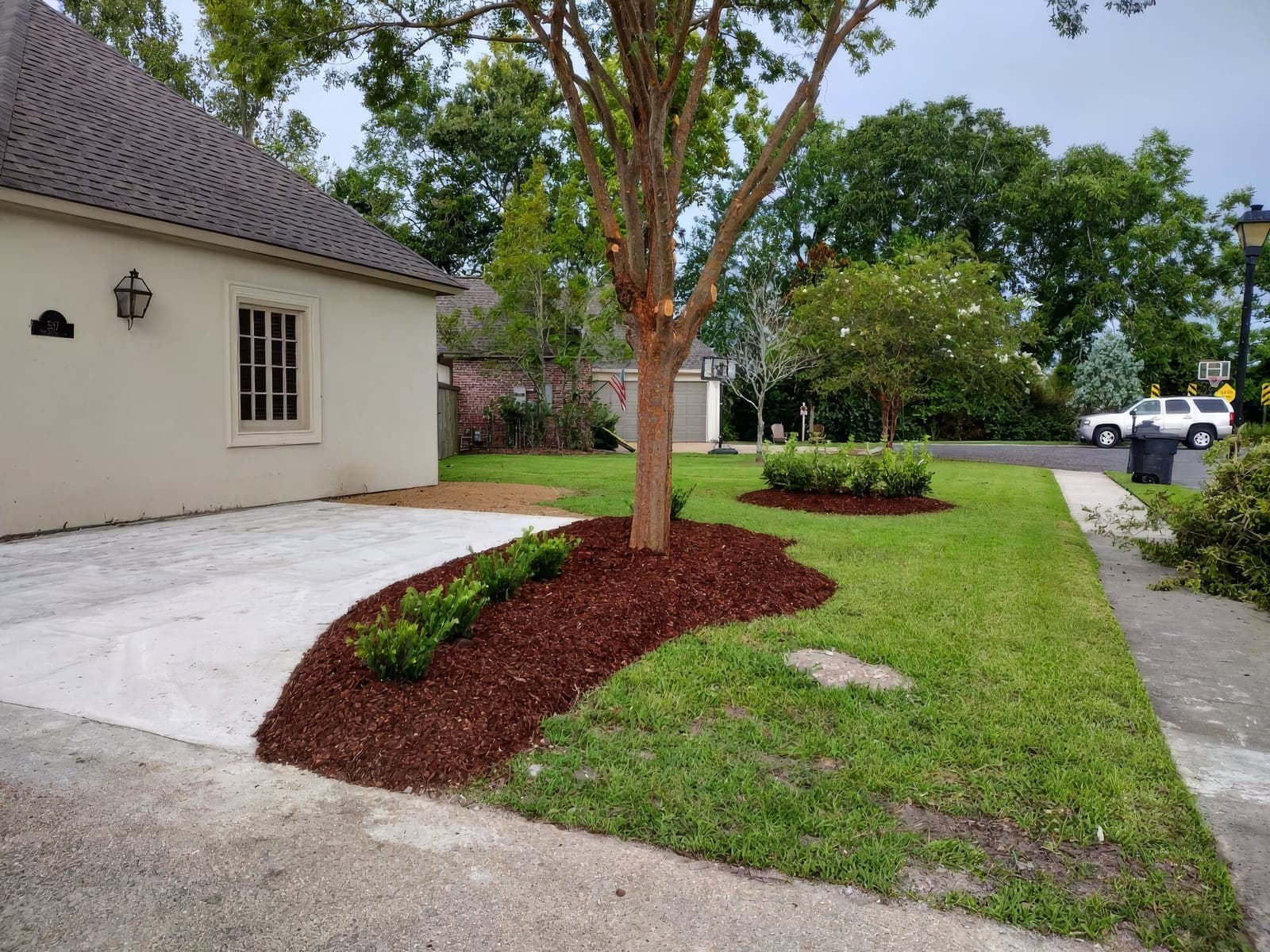
The five basic elements of landscape design are line, form, texture, color, and scale. In Baton Rouge, a successful design uses these core elements not just for beauty, but to strategically manage our humid subtropical climate, from channeling heavy rainfall to selecting plants that flourish in the Louisiana heat.
Why Baton Rouge Landscape Design is a Different Game
Anyone in East Baton Rouge Parish knows that our environment presents unique challenges and opportunities. A landscape design that looks great in a magazine might wilt and wash away here. That’s because creating a truly successful outdoor space isn’t just about picking pretty plants; it’s about building a resilient, functional system that feels authentically Louisianan. The idea that a garden should be both beautiful and practical is deeply rooted in our history. As early as 1739, an advertisement for a garden described it as “extensive, pleasant, and profitable,”highlighting the long-standing importance of a landscape’s functional value.
At Hernandez Lawnscape, we approach every project with this balance in mind. We understand that a landscape here must contend with heavy clay soil, intense summer humidity, and sudden, torrential downpours. A truly masterful landscape design uses the foundational elements as tools to solve these local problems, creating a space that is not only stunning but sustainable for years to come.
Universal Principles vs. The Baton Rouge-Specific Approach
Many designers can recite the basic elements of landscape design. But applying them effectively in our USDA Hardiness Zone 9a requires deep local experience. Here’s how a climate-specific approach transforms standard principles into powerful solutions for your Baton Rouge home.
Climate Resilience
Universal Principle: A design should have good drainage.
Baton Rouge Application: “Good drainage” is an understatement. We engineer comprehensive drainage solutions directly into the design. We use the element of line to create graceful swales and dry creek beds that actively channel water away from your foundation. Garden beds are not just placed; their forms are sculpted to manage overflow, turning a potential problem into a functional and beautiful feature.
Use of Appropriate Flora
Universal Principle: Choose plants that fit the sun/shade conditions.
Baton Rouge Application: We go far beyond basic conditions. We build a softscape design with a palette of native Louisiana plants and carefully adapted species recommended by sources like the LSU AgCenter. This means selecting a Southern Magnolia for its majestic form and shade, or Louisiana Iris for its ability to thrive in moist garden beds. This creates a landscape that requires less water, fewer chemicals, and offers year-round interest.
Aesthetic and Functional Harmony
Universal Principle: The landscape should complement the home.
Baton Rouge Application: Harmony here means respecting our architectural heritage and lifestyle. The scale of a sprawling front yard under a mature Live Oak in a neighborhood like Bocage is vastly different from an intimate, lush Creole courtyard. Function also means creating usable outdoor living spaces, patios, walkways, and outdoor kitchens that become true extensions of your home, not just afterthoughts.
Long-term Sustainability and Maintenance
Universal Principle: Create a design that is easy to care for.
Baton Rouge Application: A low-maintenance landscaping plan in our climate is an intentional choice, not an accident. It means amending our heavy clay soil so plants can establish strong roots, choosing the right lawn and turfgrass that can handle the heat, and grouping plants with similar water needs. This thoughtful, upfront site analysis leads to a garden that matures gracefully instead of becoming an overgrown burden.
Breaking Down the 5 Basic Elements for Your Baton Rouge Landscape
Understanding what these elements are is the first step. Knowing how to use them in our unique environment is what creates a truly exceptional space. These aren’t just abstract concepts; they are the tools we use to build your landscape master plan.
1. Line & Form: Directing Water and the Eye
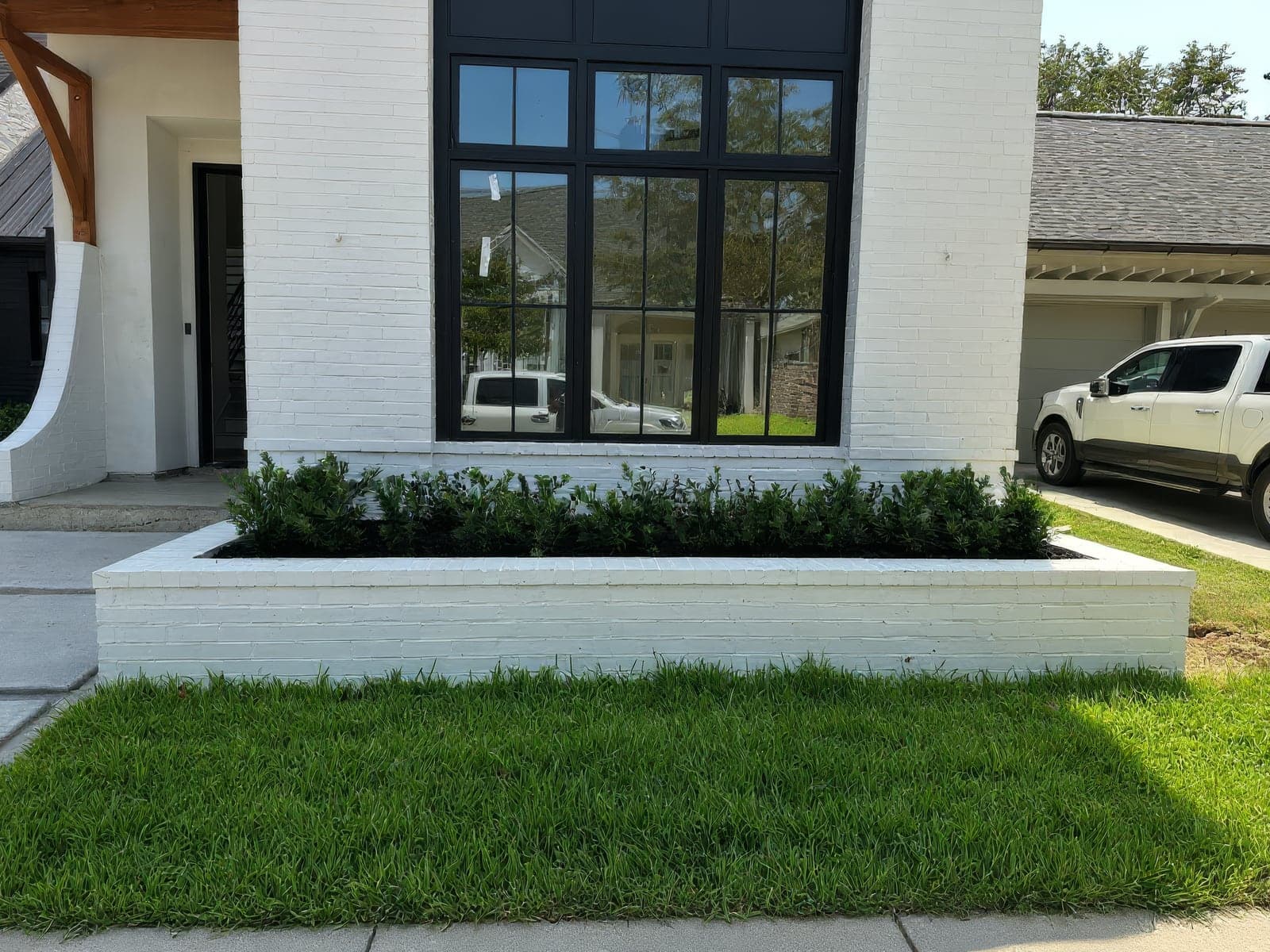
Line refers to the way the eye is led through a landscape. It’s created by the edges of walkways, the shape of garden beds, and the lines of a retaining wall. Form is the three-dimensional shape of plants and objects, the weeping shape of a willow or the upright structure of an Italian cypress.
In Baton Rouge, we use line and form as our primary tools for water management. The gentle curve of a walkway isn’t just for looks; it can be subtly graded to direct runoff away from a patio. A thoughtfully placed rain garden, with its distinct form, becomes an attractive landscape feature that absorbs thousands of gallons of storm water. This focus on function has deep roots; an 1804 text promoted using plants for practical purposes, like planting hedges for boundaries,illustrating an early American focus on functional design. From hardscape design with pavers and flagstone to the layout of foundation plantings, every line and form should have a purpose.
2. Color & Texture: A Resilient, Year-Round Southern Palette
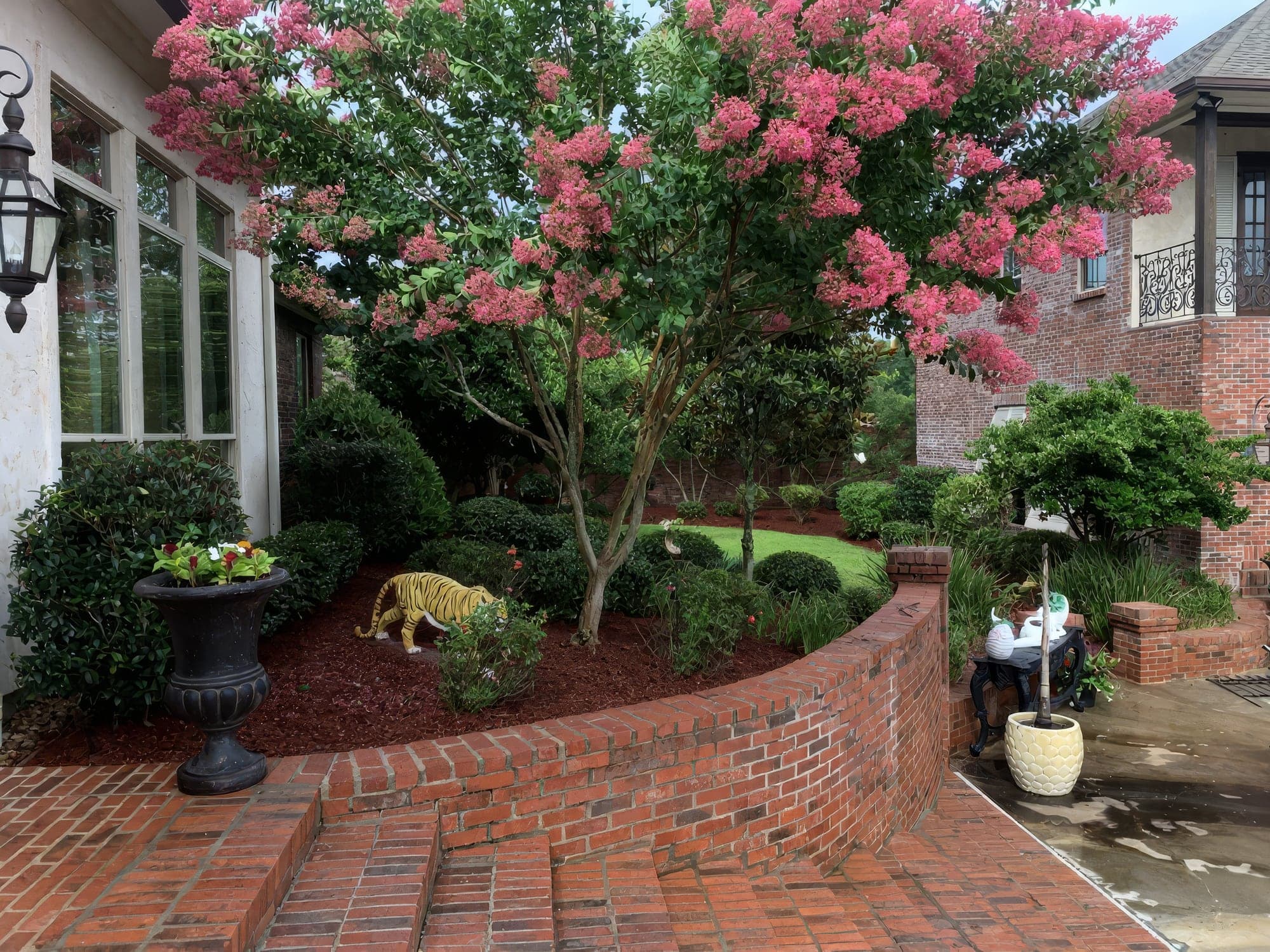
Color creates mood, while texture adds depth and interest. Texture can be coarse, like the leaves of a Southern Magnolia, or fine, like the needles of a pine. Effective color theory in landscaping involves creating harmony and contrast.
Our humid subtropical climate allows for a lush, green canvas, but the real art is in layering colors and textures that provide year-round interest. We move beyond delicate annuals that struggle in the summer heat and focus on a resilient palette of evergreen shrubs, flowering perennials, and ornamental trees. We select plants like Azaleas and Camellias for their vibrant winter and spring color and coarse texture, contrasting them with the delicate fronds of a fern in a shade garden. When grouping plants, we often use the “rule of 3,” planting in odd-numbered clusters to create a more natural visual weight and rhythm.
3. Scale: Harmony from the Live Oak to the Courtyard
Scale, or proportion, is about the size relationship between different elements in the landscape, including the house and the people using the space. A massive fireplace on a tiny patio would feel out of scale, just as a tiny fountain would be lost in a large, open backyard.
In Baton Rouge, mastering scale is critical. We might be designing under the majestic, spreading canopy of a centuries-old Live Oak, which demands large, sweeping garden beds and substantial outdoor living spaces to feel balanced. Conversely, we might be crafting an intimate courtyard garden, where every plant and feature must be chosen carefully to avoid overwhelming the small space. Getting the scale right ensures that pergolas and arbors, patios and decks, and even container gardening arrangements feel like they truly belong.
Unity and Principles: Creating a Cohesive Southern Garden
The five elements are the “what” of design. Principles like unity, harmony, balance, and rhythm are the “how”, they guide how we use the elements to create a single, cohesive picture. A successful landscape design feels complete and intentional, not like a random collection of plants and features.
This is where a professional, localized approach makes all the difference. By selecting materials and plants that are native or well-suited to our region, we create an inherent unity that feels authentically Louisianan. A recent study found that people perceive naturalistic gardens as having greater restorative potential,which reinforces our belief in using native plants to create spaces that are not only beautiful but also beneficial to our well-being. As one of our clients noted, “They always go a step beyond what I expect and consistently provide excellent service. Mr. Hernandez is honest and trustworthy and provides strong leadership for his company.” That trust is built on creating a landscape master plan where every element works in harmony.
Making the Right Choice for Your Needs
Every homeowner has different goals for their outdoor space. Understanding the basic elements allows you to better articulate your vision. Here’s how these principles can be applied to different needs.
For the New Homeowner
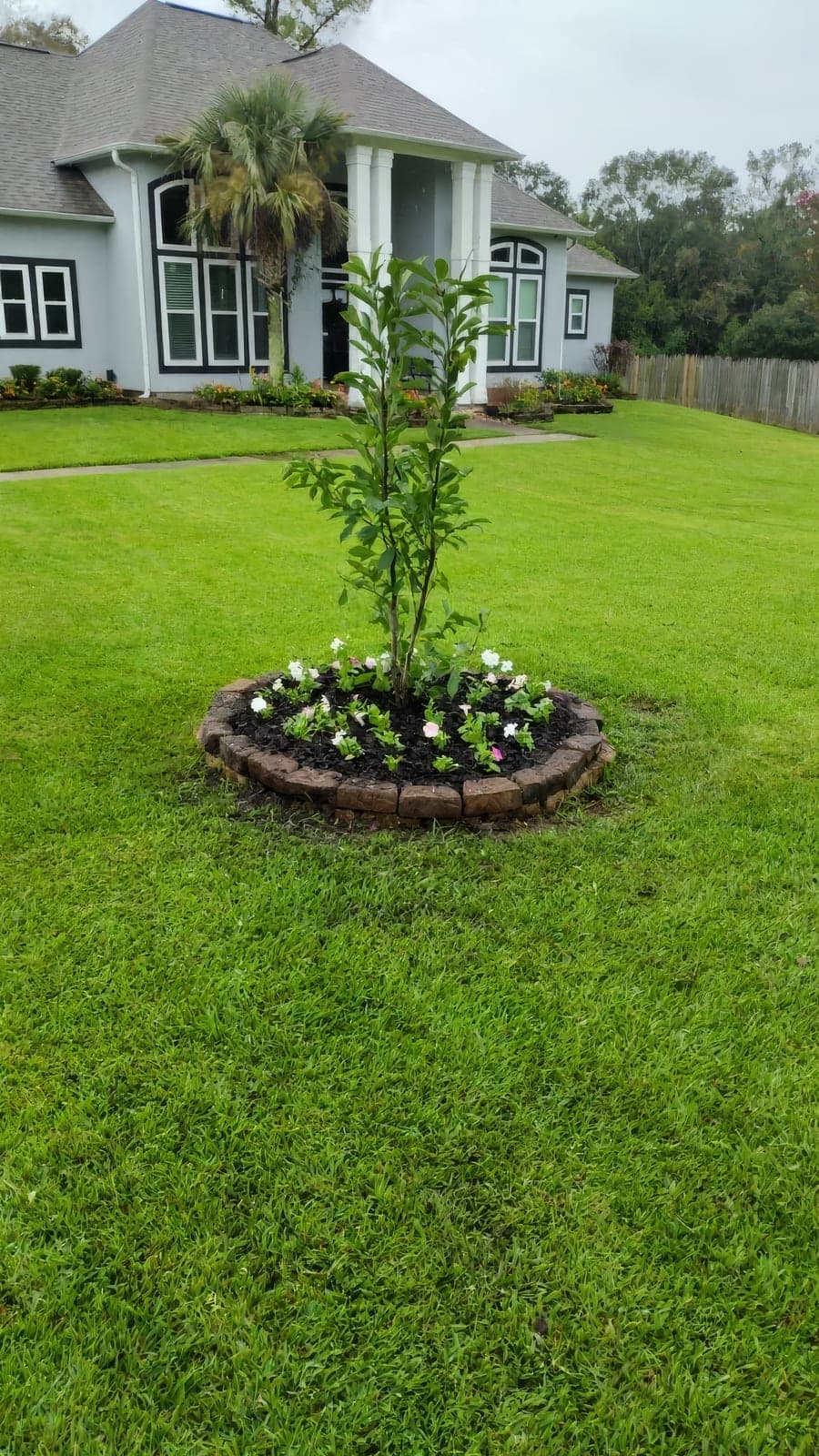
Your focus is on creating a solid foundation. You need a design that solves immediate problems like poor drainage and an unhealthy lawn. The priority is using line and form to establish good water flow, selecting hardy lawn and turfgrass, and installing foundational plantings that will improve your curb appeal and thrive for years to come.
For the Eco-Conscious Gardener
You want a landscape that works with nature, not against it. Your design will emphasize a rich color and texture palette derived from native Louisiana plants that support pollinators. The layout will prioritize sustainable landscaping practices, such as rain gardens, minimal turf areas, and shade trees to cool your home, resulting in a beautiful, low-maintenance habitat.
For the Property Value Maximizer
You see your landscape as an investment and an extension of your home’s living space. Your design will focus on high-impact elements that boost curb appeal and functionality. This includes sophisticated hardscape design for patios and outdoor kitchens, dramatic landscape lighting to create nighttime ambiance, and pristine garden beds with year-round interest to create a powerful first impression.
Ultimately, mastering the elements of landscape design in Baton Rouge is about creating a space that is beautiful, functional, and built to last in our unique climate. One customer recently said, “After talking with him for just a minute, I felt confident that his business was right for me… I could not be more pleased with Hernandez Lawnscape. Excellent service all around…5 stars!” We earn that confidence by listening to your needs and applying our deep local expertise to your property. For a professional site analysis and a plan that brings your vision to life, contact the Hernandez Lawnscape team today.
Leave us your contact information to receive more information
FOLLOW ME
Latest publications
Related service
Landscaping Baton Rouge: Design, Renovation and Installation
Landscape design and renovation in Baton Rouge and Livingston Parish.
Written by Gerardo Hernandez, owner and founder of Hernandez Lawnscape
Gerardo Hernandez founded Hernandez Lawnscape in Denham Springs in 2013 with a mower and a trailer. He still walks every job, draws the landscape designs himself in Morpholio Trace, and diagnoses drainage the practical way: find the last spot to dry, trench from there, and run pipe at a steady fall to a real discharge point.