Landscaping
What are the latest landscape design trends in Baton Rouge?
The biggest trend for any landscaping contractor in Baton Rouge isn’t a new flower or patio style; it’s a strategic shift to ‘Climate-Resilient Design.’ Homeowners and pros now prioritize sophisticated drainage and...
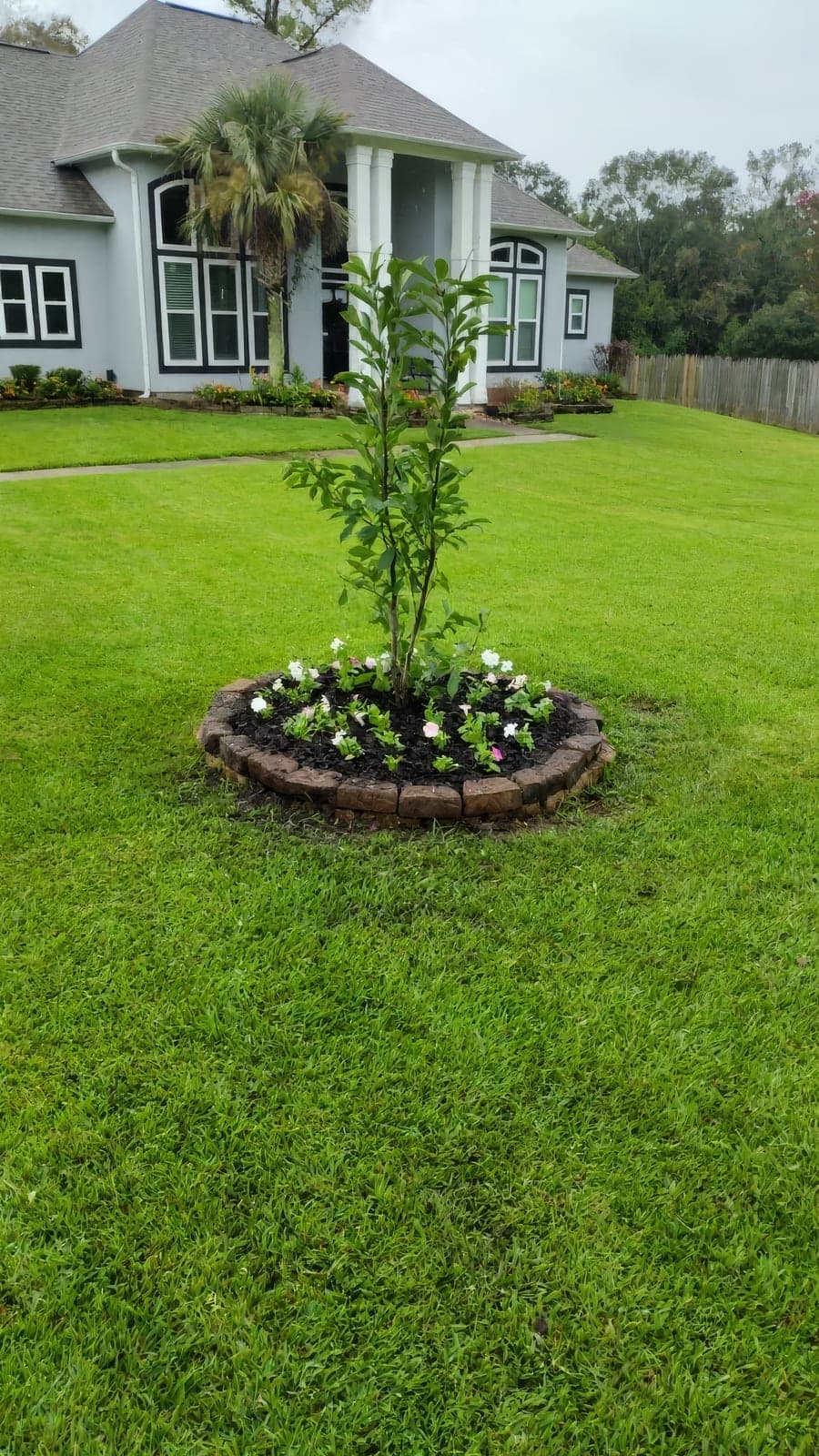
What are the latest landscape design trends in Baton Rouge?
The biggest trend for any landscaping contractor in Baton Rouge isn’t a new flower or patio style; it’s a strategic shift to ‘Climate-Resilient Design.’ Homeowners and pros now prioritize sophisticated drainage and scientifically-backed plantings to combat our region’s intense rain, heat, and humidity, ensuring a beautiful yard that lasts and protects their home’s value.
Forget Fleeting Fads: The New Reality of Baton Rouge Landscaping
For decades, the ideal Southern garden in Baton Rouge was a familiar picture: a lush, green lawn of St. Augustine grass, bordered by perfectly pruned azaleas and camellias, with stately magnolia trees or crepe myrtles providing a classic backdrop. This aesthetic, often seen in magazines and on Pinterest, has defined curb appeal from the Garden District to the newer developments in Ascension Parish. But as any long-time resident of East Baton Rouge Parish knows, maintaining that picture-perfect look is a constant, often losing battle against our unique climate.
The heavy, humid air, the relentless summer sun, and the torrential downpours that can flood a street in minutes are taking their toll. That’s why, after over 21 years of providing landscape installation and garden maintenance in this area, we at Hernandez Lawnscape have seen a dramatic shift. The conversation is no longer just about aesthetics; it’s about endurance. The most significant trend for 2026 isn’t a color or a material, it’s a philosophy: Climate-Resilient Design. This approach places practical, long-term solutions at the heart of the design process, creating outdoor living spaces that are not only beautiful but are engineered to thrive in southern Louisiana.
Beyond the French Drain: Water Management as a Central Design Feature
In a city that gets nearly 63 inches of rain a year, drainage solutions have always been a part of the conversation. But the new trend moves water management from a hidden, functional afterthought to a visible, beautiful, and integral part of the landscape design itself. Homeowners are tired of soggy lawns, standing water that becomes a breeding ground for mosquitoes, and the constant threat of water seeping toward their home’s foundation. They are looking for more sophisticated systems.
This reality is underscored by local governance; managing water is a top priority. The city’s own development resources include a ‘Stormwater Quality BMP Maintenance Covenant’ and specific ‘Stormwater and Drainage Design Information’ documents, which shows that managing water runoff is a regulated and critical aspect of local land use. Furthermore, the East Baton Rouge Parish government has a dedicated ‘Drainage Maintenance division’ just to manage public infrastructure. Smart homeowners are now applying this level of seriousness to their own properties.
Key Innovations in Residential Water Management:
- Rain Gardens and Bioswales: Instead of simply piping water away, a rain garden is a shallow, depressed area filled with water-loving native Louisiana plants and permeable soil. It’s designed to collect runoff from roofs and patios, allowing it to slowly filter back into the groundwater. These are becoming beautiful focal points in front yard makeovers, filled with vibrant Louisiana Irises and other perennials that create a stunning pollinator garden.
- Permeable Pavers: For hardscaping and pavers on patios, walkways, and driveways, traditional concrete slabs are being replaced by permeable options. These pavers have small gaps between them filled with aggregate, allowing rainwater to pass through the surface and soak into the ground instead of sheeting off into the street. This reduces the strain on municipal storm drains and helps prevent erosion in your yard.
- Strategic Grading and Retaining Walls: Expert landscape contractors are now meticulously re-grading properties to create subtle slopes that direct water away from the home and into designated collection areas like a rain garden. In yards with significant slopes, especially in areas like Denham Springs that have varied topography, thoughtfully designed retaining walls made from natural stone can prevent soil erosion and create terraced, usable garden spaces.
The LSU AgCenter Effect: Choosing Plants That Actually Belong Here
For too long, landscaping choices were dictated by what was available at big-box stores, plants that may look great in Southern California or Florida but quickly succumb to Baton Rouge’s specific combination of gumbo clay soil, intense humidity, and summer heat. The result is a frustrating cycle of expensive replacement and constant garden maintenance.
The new trend is a smarter, science-backed approach to plant selection, heavily influenced by the invaluable research and recommendations from the LSU AgCenter. Homeowners are moving away from finicky, high-maintenance ornamentals and embracing a palette of native Louisiana plants and other proven performers that are genetically equipped to handle our conditions. This shift is part of a larger national interest in sustainable landscaping, supported by institutions like the USDA’s National Institute of Food and Agriculture, which funds projects to evaluate the performance of ornamentals and identify plants best suited for local conditions.
What Should I Be Planting Right Now in Louisiana?
Based on what thrives, not just survives, here are the plants gaining popularity:
- Shade Trees: Instead of fast-growing but weak trees, the focus is on durable, long-lived Southern Live Oaks and Magnolia Trees that provide dense shade, lowering energy bills and creating comfortable shade gardens.
- Understory Plants and Shrubs: Hardy natives like Oakleaf Hydrangea, Sweetspire (Virginia Willow), and American Beautyberry are replacing delicate, non-native shrubs. They require less water, fewer pesticides, and provide food and shelter for local wildlife.
- Perennials and Flowers: For color, gardeners are turning to Louisiana Irises, Black-eyed Susans, and Purple Coneflower. These pollinator-friendly plants return year after year with minimal fuss, unlike annuals that need to be replanted every season.
- Privacy Hedges: Fast-growing but disease-prone hedges are being swapped for more resilient options like Sweet Olive and the taller varieties of Yaupon Holly, which create dense, evergreen screens that withstand our climate.
Designing for the Heat: Creating Genuinely Usable Outdoor Living Spaces
A beautiful backyard is useless if it’s too hot and humid to enjoy for six months of the year. The latest trends in outdoor living spaces are focused on actively mitigating the Louisiana heat to extend the seasons of outdoor entertaining. This is about more than just a patio and a grill; it’s about creating a true extension of the home.
Architectural elements are becoming central to modern landscape design in the Baton Rouge area. We are installing more pergolas and pavilions than ever before, but with a crucial difference: they are designed for function first. A solid-roof pavilion provides guaranteed shade and rain protection for an outdoor kitchen, while a well-designed pergola can be oriented to provide maximum shade during the hottest parts of the day. Ventilated roofs and the integration of high-powered, weather-resistant outdoor fans are now standard requests. Strategic shade planning, using the placement of Southern Live Oaks and other large trees to cast cooling shadows over patios and windows, is a key part of any comprehensive backyard renovation.
This focus on usability also includes robust mosquito control systems. Integrated misting systems are becoming a must-have feature for anyone who wants to use their fire pits, swimming pool landscaping, or outdoor entertaining areas in the evening without being chased indoors.
Low-Maintenance Redefined: The Smart Alternatives to the Perfect Lawn
The traditional turf lawn is the most high-maintenance element of most Southern landscapes. Constant mowing, watering, fertilizing, and fighting fungus and pests in our humid climate is expensive and time-consuming. The new definition of a “low-maintenance garden” involves strategically reducing the dependence on vast expanses of struggling St. Augustine grass.
Two major trends are emerging as practical solutions:
- Hardy Native Groundcovers: In shady areas where grass struggles or on steep slopes prone to erosion, homeowners are opting for beds of hardy, spreading groundcovers. Plants like Creeping Phlox, Frogfruit, or Mondo Grass can create a lush, green carpet that requires no mowing, suppresses weeds, and needs significantly less water once established. This approach to eco-friendly landscaping is both beautiful and practical.
- High-Quality Artificial Turf: Once considered a cheap-looking novelty, modern artificial turf has become remarkably realistic and is a major trend for 2026. For families with children and pets, or for those wanting a perfect green space around a pool without the mud and maintenance, high-end turf offers a durable, always-green solution. It eliminates the need for lawn care services, pesticides, and watering, and its permeable backing helps with drainage. It’s a significant upfront landscape design cost, but the long-term savings and usability are compelling for many homeowners.
Comparing Landscape Design Philosophies for Your Baton Rouge Home
Understanding the different approaches can help you decide where to invest your resources for the best long-term outcome. The choice you make will significantly impact your maintenance workload, future costs, and overall enjoyment of your property.
1. Climate-Resilient Design (The Modern, Proactive Approach)
Philosophy: Design with nature, not against it. This approach prioritizes function, sustainability, and long-term durability as the foundation of beauty. It solves problems like drainage and heat before focusing on purely ornamental details.
Pros: Reduces long-term costs by preventing erosion, water damage, and plant death. Creates highly usable and comfortable outdoor living spaces. Significantly increases property value by offering tangible, functional benefits. Lowers water bills and requires less ongoing maintenance.
Cons: May have a higher initial investment for engineered features like permeable paver patios or significant grading work. The aesthetic is often more natural and less rigidly formal than traditional designs.
2. Aesthetic-Focused Design (The “Pinterest-Perfect” Approach)
Philosophy: The primary goal is to replicate a specific visual style, often seen on platforms like Houzz or Pinterest, without full consideration for the local climate. This often involves planting what looks good, not what is proven to thrive.
Pros: Can achieve a very specific, high-style look immediately after installation. May have a lower upfront cost if it avoids complex hardscaping or drainage work.
Cons: Often leads to high maintenance costs, including frequent plant replacement, high water bills, and the need for constant chemical treatments. The design can fail within a few years as plants struggle and drainage issues emerge. It rarely solves underlying property challenges.
3. Traditional/Uninformed Landscaping (The Default Approach)
Philosophy: A piecemeal approach with no overarching strategy. This usually involves a large, thirsty lawn, foundation shrubs from a big-box store, and perhaps a concrete patio, with little thought given to water flow or plant suitability.
Pros: The lowest initial cost.
Cons: Almost always leads to problems. Poor drainage can cause foundation issues and soil erosion. Plants are often mismatched to the light and soil conditions, leading to poor health. This approach rarely adds significant property value and can even become a liability that a future buyer will see as a project to be fixed.
Key Factors for Your Baton Rouge Landscape Investment
When planning a front yard makeover or backyard renovation, focusing on the right factors will ensure your investment pays off for years to come. Here’s what matters most in our region:
Long-term flood and water damage mitigation
Your landscape should actively move water away from your house. This isn’t just about comfort; it’s about protecting your single largest investment. An intelligently designed system of swales, rain gardens, and permeable hardscapes is your first line of defense against the foundation damage that standing water can cause.
Durability against regional climate
Every plant, paver, and piece of wood needs to be selected for its ability to withstand the intense Baton Rouge sun, oppressive humidity, and heavy rainfall. Choosing climate-appropriate materials and plants means your landscape will look better for longer, resisting rot, disease, and heat stress without constant intervention.
Reduction of costly future repairs
Spending money on proper grading and drainage solutions now can save you tens of thousands of dollars in foundation repair or soil erosion remediation later. One client shared their experience with us: “After talking with him for just a minute, I felt confident that his business was right for me… Excellent service all around…5 stars!” This confidence comes from knowing the landscape contractor is focused on preventing future problems, not just creating a pretty picture for today.
Property value enhancement through functional design
A beautiful landscape adds curb appeal, but a functional, resilient landscape adds tangible value. A potential buyer will see a well-drained yard, a comfortable and shady outdoor kitchen, and low-maintenance garden beds not as expenses, but as valuable assets that make the home more livable and secure. This approach transforms landscaping from a decoration into a wise capital improvement.
Making the Right Choice for Your Needs
The best landscape design is one that aligns perfectly with your property’s challenges and your personal goals. There is no one-size-fits-all solution, but we can help you identify the right path forward based on your priorities.
For “The Pragmatic Protector”
Your primary concern is safeguarding your home. You worry about standing water after a heavy rain and the long-term stability of your foundation. Your ideal landscape is an engineered system. You should prioritize a comprehensive drainage plan that may include French drains, bioswales, and significant re-grading. Your hardscape choices should focus on permeable pavers, and your plant selections should be deep-rooted species that help stabilize soil on any slopes.
For “The Sustainable Gardener”
You want a vibrant, beautiful garden that works with Louisiana’s environment, not against it. You’re interested in attracting birds and butterflies and reducing your environmental footprint. Your focus should be on planting schemes recommended by the LSU AgCenter, emphasizing native Louisiana plants that create a thriving pollinator garden. Replacing turf with native groundcovers, installing an edible garden with raised garden beds, and creating a dedicated shade garden will bring you the most satisfaction.
For “The Long-Term Investor”
You view your landscape as a critical component of your home’s overall value. You want a “one-and-done” solution that is durable, attractive, and solves problems, ensuring it won’t need a costly overhaul in five years. You should invest in a holistic, climate-resilient design that combines robust drainage, high-quality hardscaping like a natural stone patio or composite decking, and a well-planned layout featuring functional outdoor entertaining areas like a pergola or outdoor kitchen. Your goal is a complete backyard renovation that enhances livability and delivers a strong return on investment.
At Hernandez Lawnscape, we’ve built our reputation on this forward-thinking philosophy. Our clients in Baton Rouge, Prairieville, and across the region know that we prioritize durable, effective solutions. As one customer put it, “They always go a step beyond what I expect and consistently provide excellent service. Mr. Hernandez is honest and trustworthy and provides strong leadership for his company.” This commitment to honest, lasting work is at the core of everything we do.
Ultimately, creating a landscape that can withstand the unique pressures of the Baton Rouge climate is the smartest trend you can invest in. It protects your home, saves you money over time, and creates a beautiful outdoor space you can actually use and enjoy for years to come. For a professional assessment of your property and a clear plan to build a resilient, beautiful landscape, contact our expert team for a free quote today.
Leave us your contact information to receive more information
FOLLOW ME
Latest publications
Related service
Landscaping Baton Rouge: Design, Renovation and Installation
Landscape design and renovation in Baton Rouge and Livingston Parish.
Written by Gerardo Hernandez, owner and founder of Hernandez Lawnscape
Gerardo Hernandez founded Hernandez Lawnscape in Denham Springs in 2013 with a mower and a trailer. He still walks every job, draws the landscape designs himself in Morpholio Trace, and diagnoses drainage the practical way: find the last spot to dry, trench from there, and run pipe at a steady fall to a real discharge point.